Warsaw walking tours
4 walking tours with a story at every stop. Pick one, then walk it at your own pace with the Voyay app.
Voyay tours
The intro and first 3 stops are free; Voyay Pro unlocks the rest.
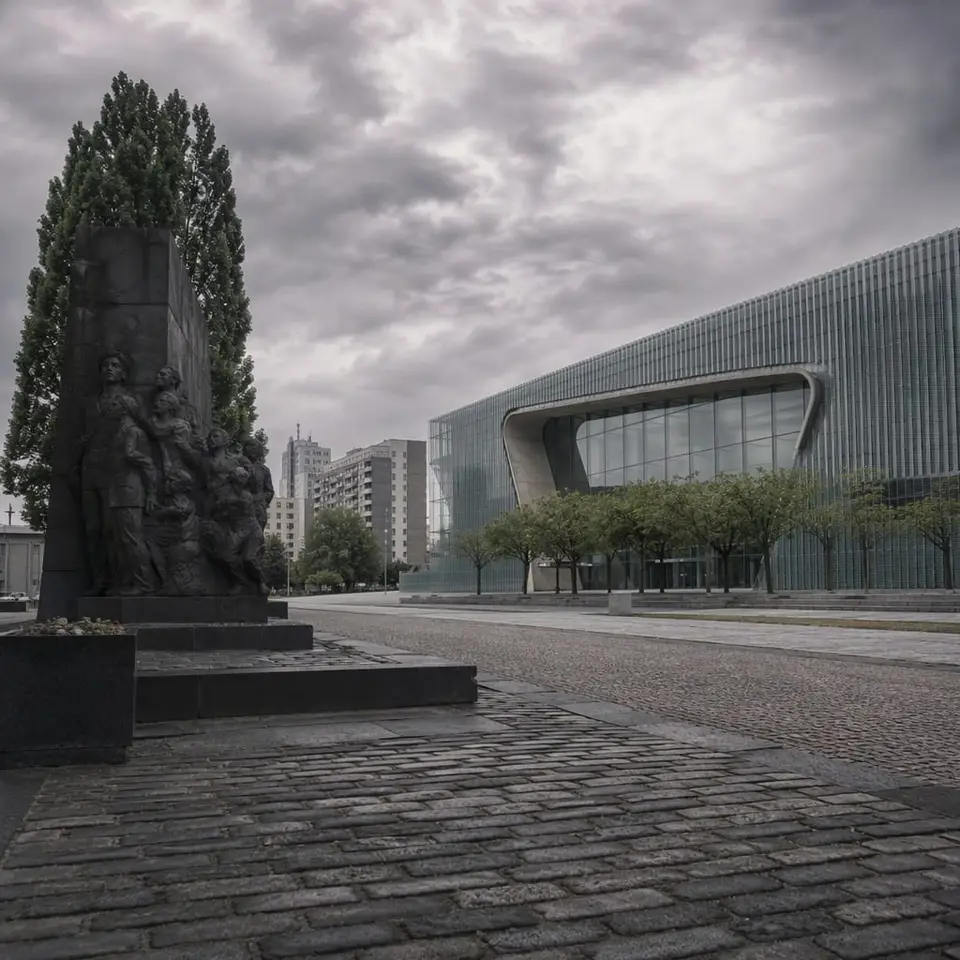 Voyay walking tour
Muranów: Traces of Jewish Warsaw
Walk vanished streets where Jewish life, resistance, and memory endure
11 stops · 161 min · 5.3 km · Free to start
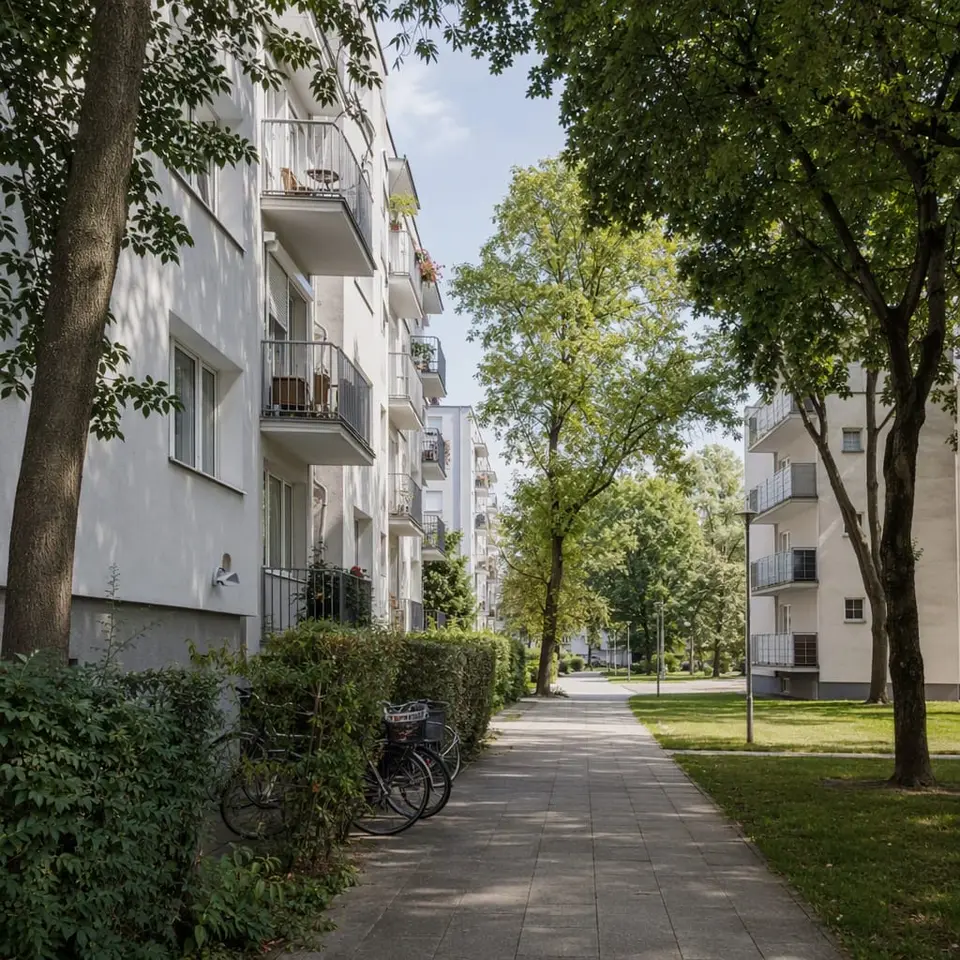 Voyay walking tour
Żoliborz Gardens Built for Living
Walk through cooperative homes, leafy squares, and Warsaw’s social modernism
11 stops · 163 min · 5.4 km · Free to start
 Voyay walking tour
Powązki: Stone, Memory, and Rebellion
A contemplative walk among Warsaw’s artists, insurgents, and contested heroes
10 stops · 220 min · 10.3 km · Free to start
 Voyay walking tour
Inside Warsaw’s Waterworks Quarter
Brick filters, healthy streets, and the engineering beneath everyday life
12 stops · 190 min · 6.7 km · Free to start
Exploring Warsaw on foot
Warsaw is a city of long distances and distinct districts, but much of the centre is manageable on foot. The Royal Route, the Old Town, the former Jewish quarter around Muranów, and the business core around Śródmieście each have their own character and are linked by broad streets, parks, and frequent crossings. The Vistula sits to the east, while some parts of the city are flat and easy to walk, though the scale can feel large between sights.
These tours focus on the city’s history and street life in places that reward walking. They include "Muranów: Traces of Jewish Warsaw", "Żoliborz Gardens Built for Living", "Powązki: Stone, Memory, and Rebellion", and "Inside Warsaw’s Waterworks Quarter". Expect memorials, modernist housing, cemeteries, and industrial heritage rather than a single compact centre. Comfortable shoes help, and in summer the open boulevards and exposed squares can feel hot, so plan for shade and water. In colder months, pavement ice can make longer walks slower.
Warsaw walking tour questions
Is Warsaw a walkable city?
Yes, Warsaw is walkable, especially in the central districts and along the routes between major sights. The city is large, so some walks are spread out, but the terrain is mostly flat and many areas have wide pavements and parks. Public transport can help bridge longer gaps between neighbourhoods.
Which areas of Warsaw are best to explore on foot?
The Old Town and the Royal Route are the easiest places to explore on foot, with Muranów, Śródmieście, Żoliborz, and Powązki also rewarding for walkers. These areas have a clear street pattern, important landmarks, and enough interest to make walking worthwhile. The Vistula riverfront is also good for longer strolls.
When is the best time of year to walk around Warsaw?
Spring and early autumn are usually the most comfortable times to walk around Warsaw, with milder temperatures and good conditions for longer routes. Summer can be hot on exposed streets, while winter brings cold, wind, and icy pavements. If you walk in winter, wear warm layers and sturdy shoes with grip.
How do self-guided walking tours in Warsaw work?
Pick a tour, open it in the Voyay app and start walking: a live map leads you from stop to stop and an audio guide tells the story of each place. You walk at your own pace, with no group or set start time. The intro and first 3 stops of every tour are free; Voyay Pro unlocks the rest.
From the blog
Reading for your time in Warsaw.
Warsaw Travel Guide: Old Town, Royal Route and Food
Warsaw in two days: walk the rebuilt Old Town and the Royal Route to Łazienki Park, then the Uprising Museum, POLIN, Praga and the city's milk bars.