Warsaw Travel Guide: Old Town, Royal Route and Food
Start with the walk that explains Warsaw. From the Old Town, follow the Royal Route south along Krakowskie Przedmieście and Nowy Świat to Łazienki Park, about 4 km of palaces, churches and student cafés. Almost everything you see on it was destroyed in 1944 and rebuilt after the war. Spend a second day on the city's two great modern museums, the Warsaw Uprising Museum and POLIN, then cross the river to Praga in the evening.
Old Town to Łazienki on foot
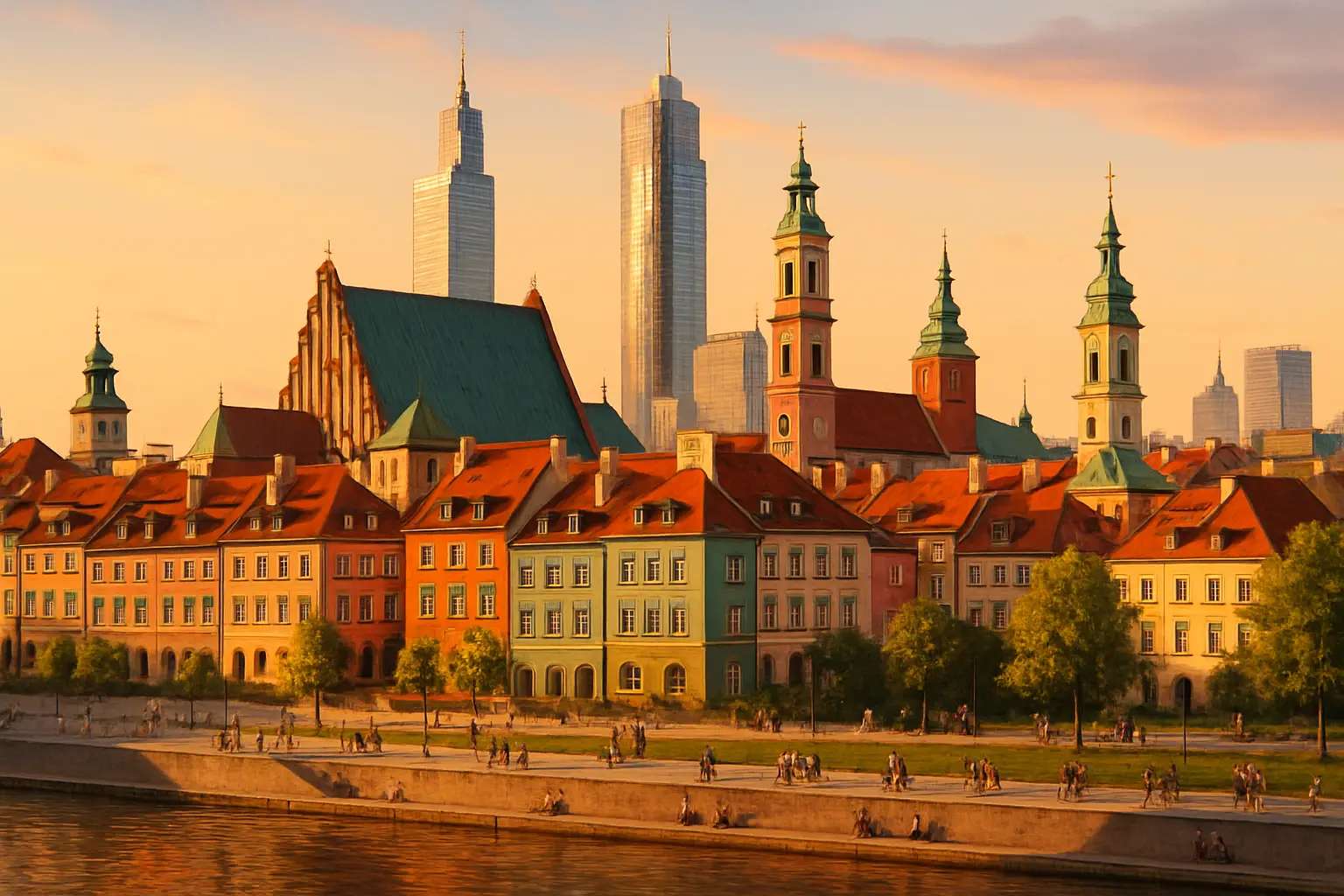
Begin in the Old Town Market Square. The coloured merchants' houses look medieval, but the Germans razed the district after the Warsaw Uprising of 1944, and what stands now was rebuilt from old paintings, drawings and photographs in the decades after the war. The rebuilding was so careful that the Historic Centre of Warsaw was added to the UNESCO World Heritage List in 1980, as a record of reconstruction as much as of the original town.
Walk a few streets north to the brick Barbican and into the New Town. Marie Skłodowska-Curie was born on Freta Street, where a small museum tells her story. Then turn back through the Market Square to Castle Square, with Sigismund's Column in the middle and the reconstructed Royal Castle on its eastern side.
From here the Royal Route runs south. Climb the tower beside St Anne's Church for a view over the castle and the Vistula. Continue down Krakowskie Przedmieście past the University of Warsaw's gates and the Presidential Palace. In the Holy Cross Church, a pillar on the left of the nave holds an urn with Chopin's heart, brought back from Paris by his sister after his death in 1849. Opposite stands the Copernicus monument outside the Staszic Palace.
The street becomes Nowy Świat, lined with cafés and milk bars, and then Aleje Ujazdowskie, a broad avenue of embassies and villas. It ends at Łazienki Park, the royal summer residence of the last king of Poland, with the Palace on the Isle reflected in its lake. On summer Sundays, free piano recitals of Chopin's music are held beside the Chopin Monument, a tradition that goes back to 1959. Bring something to sit on.
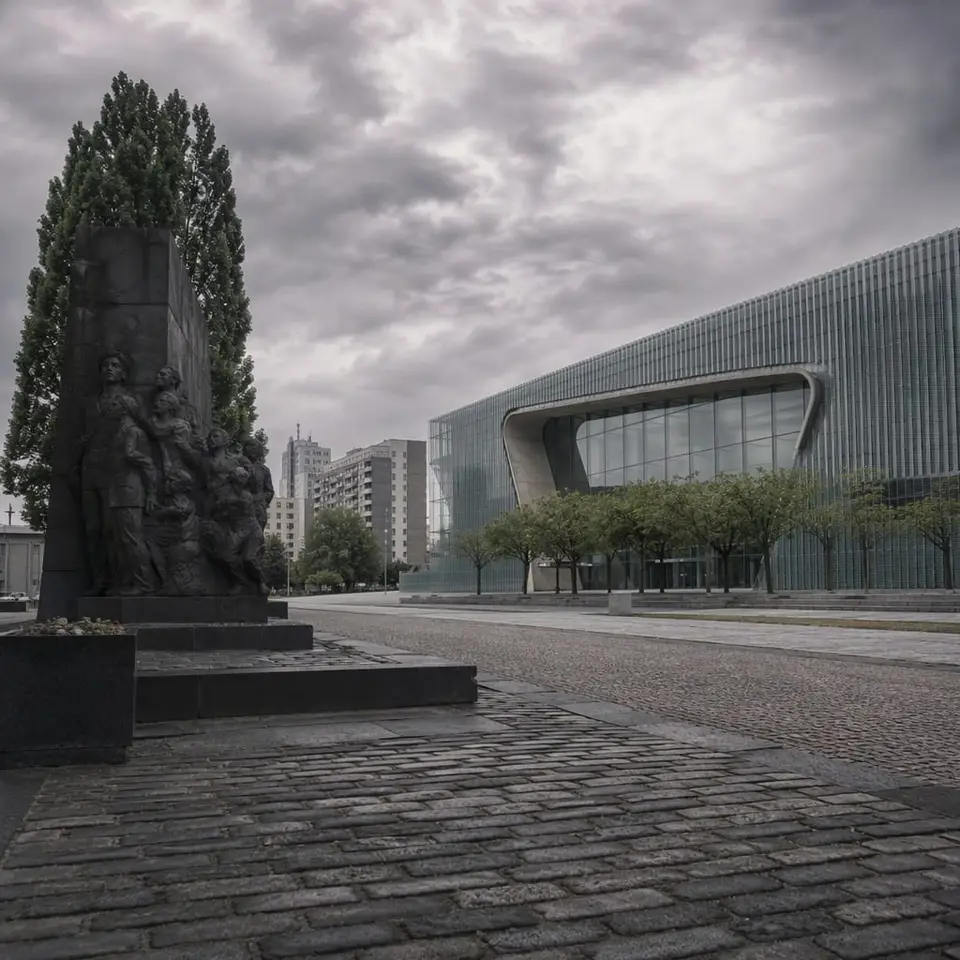
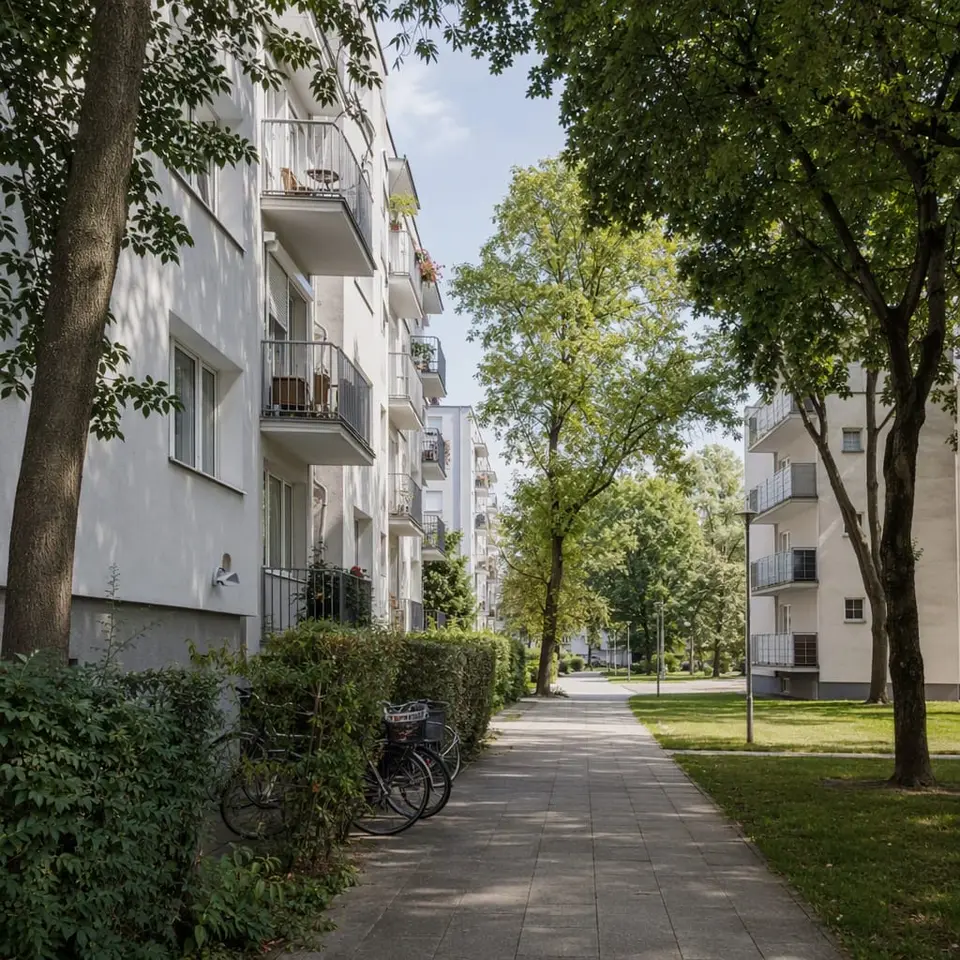
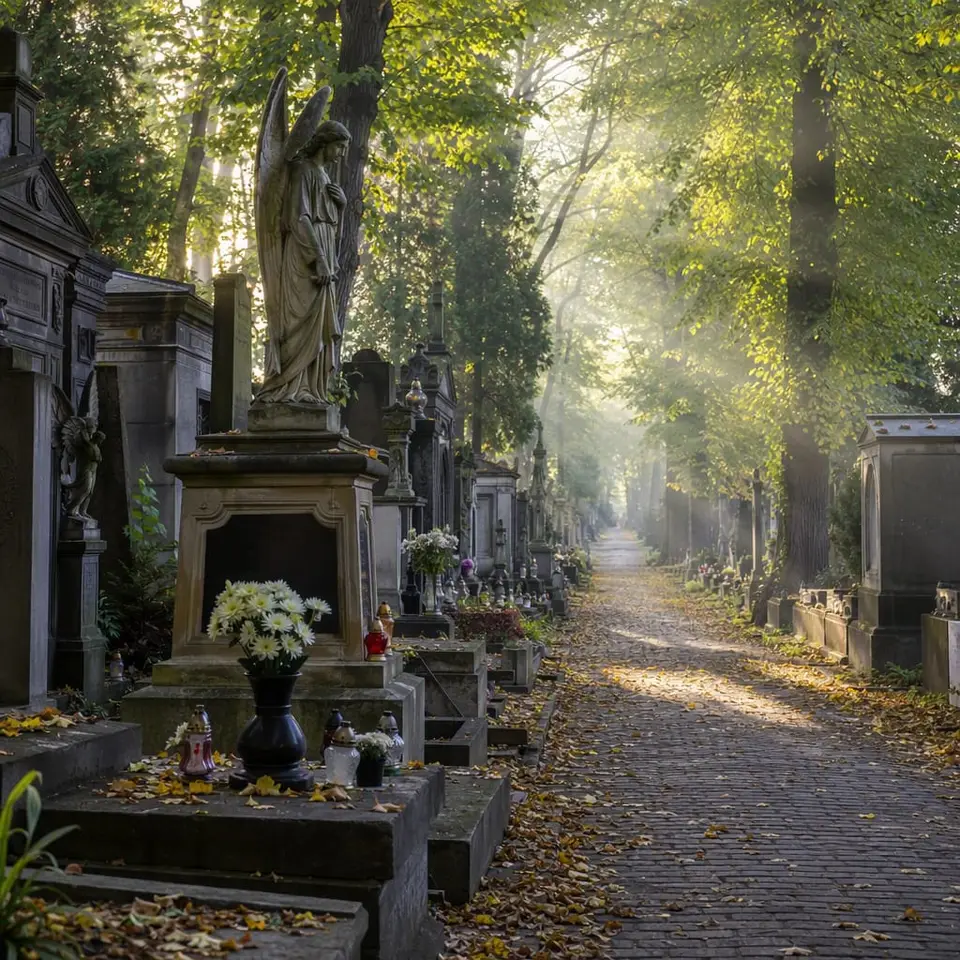
Voyay's Warsaw walking tours cover the parts of the city this route doesn't. Muranów: Traces of Jewish Warsaw follows the streets of the former ghetto from the Umschlagplatz memorial past the Anielewicz Mound, the Ghetto Heroes Monument and the POLIN Museum to the site of the Great Synagogue. Others walk the modernist housing of Żoliborz, Powązki Cemetery and the brick waterworks quarter of Ochota.
Two museums that explain the city
The Warsaw Uprising Museum, opened in 2004 in a former tram power station in Wola, tells the story of the 63-day rising that began on 1 August 1944, when the Home Army tried to free the city before the Red Army arrived. It is loud, crowded and intense, with sewers you can crawl through and a 3D film of the ruined city. Go early.
POLIN, the Museum of the History of Polish Jews, stands in Muranów opposite the Ghetto Heroes Monument. Its core exhibition covers a thousand years, from the first Jewish merchants to the present, with the Holocaust as one chapter rather than the whole. Allow at least three hours.
The Palace of Culture and Science, completed in 1955 as a "gift" from the Soviet Union, still dominates the skyline. Locals have argued about it ever since. Its terrace on the 30th floor gives the best view of the city, partly, as the old joke goes, because it is the one place in Warsaw you can't see the palace from.
Praga, the river and where to eat
Across the Vistula, Praga survived the war better than the left bank, and its old tenements, courtyard shrines and converted factories feel very different from the rebuilt centre. Ząbkowska Street and the Soho Factory area are the places to start. In summer the Vistula boulevards on the left bank turn into a long riverside promenade of bars and beach-style hangouts.
For food, try a bar mleczny (milk bar), the subsidised canteens that have served cheap Polish home cooking since communist times: pierogi, żurek (sour rye soup), cabbage rolls and pancakes, ordered at a counter. Hala Koszyki, a restored 1900s market hall south of the centre, is the opposite end of the scale, with a food court of modern restaurants under one roof.
One local rule catches visitors out: most shops in Poland are closed on Sundays, under a law in force since 2018, apart from a handful of trading Sundays a year. Restaurants, cafés, museums and petrol-station shops stay open, so plan grocery runs for Saturday.