Reykjavik walking tours
4 walking tours with a story at every stop. Pick one, then walk it at your own pace with the Voyay app.
Voyay tours
The intro and first 3 stops are free; Voyay Pro unlocks the rest.
 Voyay walking tour
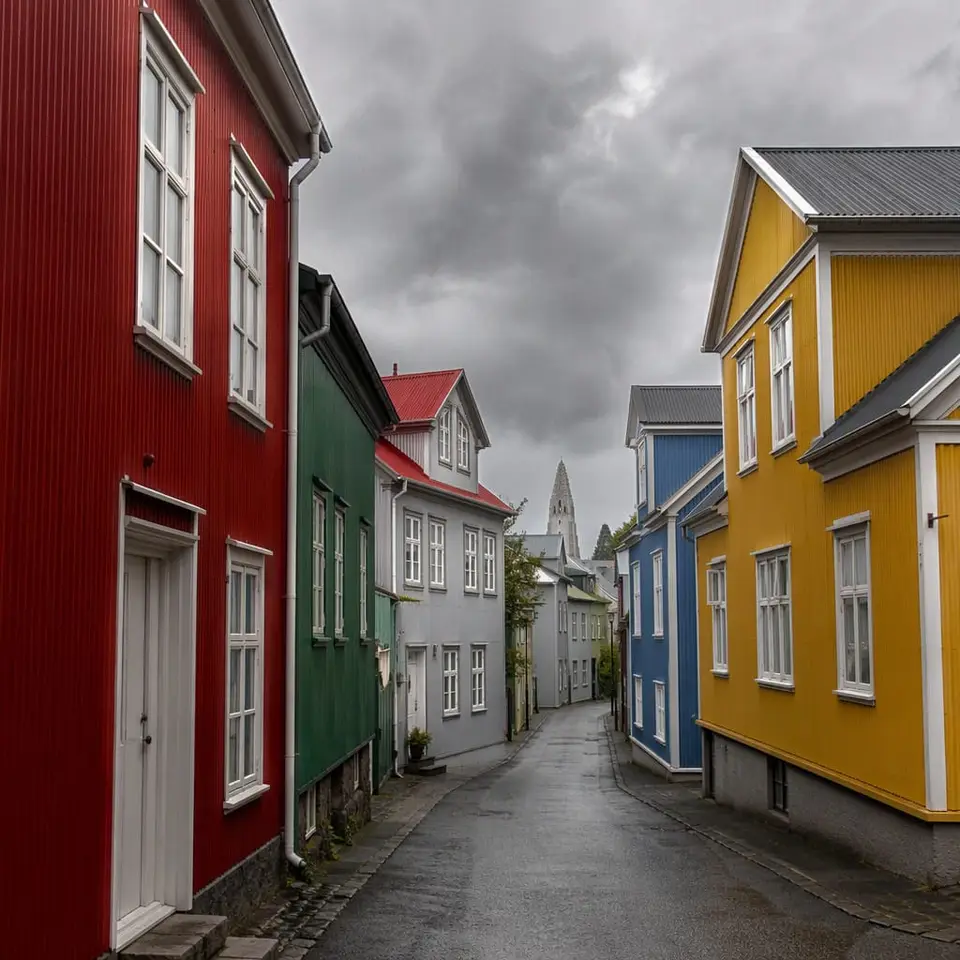
Reykjavík: Longhouses to Iron
Walk 1,100 years from turf walls to colorful metal streetscapes
12 stops · 122 min · 1.8 km · Free to start
 Voyay walking tour
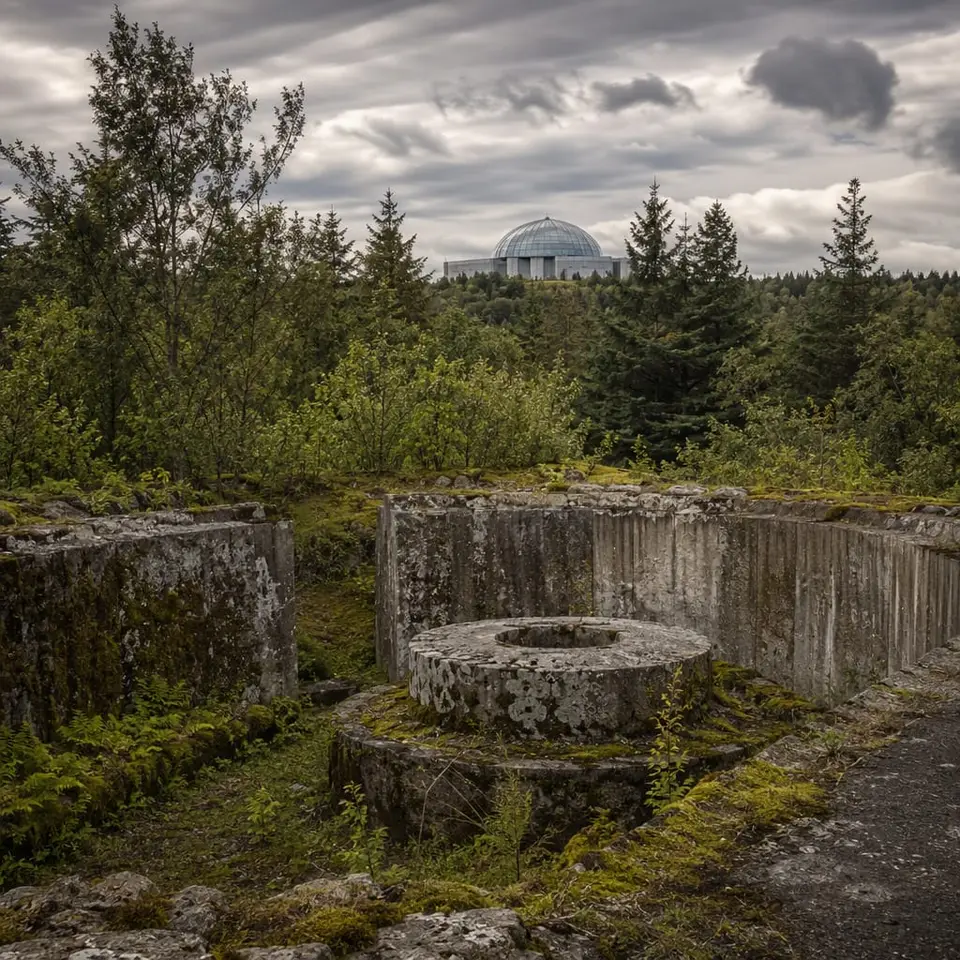
Ruins Beneath Öskjuhlíð’s Forest
Trace wartime defenses through lava, woodland, and geothermal reinvention
10 stops · 305 min · 16 km · Free to start
 Voyay walking tour
From Fish to Future
A Working Waterfront Reinvented Through Industry, Art, and Ingenuity
11 stops · 126 min · 2.8 km · Free to start
 Voyay walking tour
Steam Through Hot-Spring Valley
Follow washerwomen’s footsteps from geothermal labor to everyday Icelandic leisure
9 stops · 104 min · 2.3 km · Free to start
Exploring Reykjavik on foot
Reykjavík is compact and easy to explore on foot. The harbourfront is flat, but central streets climb toward Hallgrímskirkja. Short blocks make it straightforward to move between the harbour, shopping streets, and civic landmarks. Many of the main sights in and around downtown sit within a comfortable walking area, and the coastal paths add clear routes along the water. Outside the centre, some districts spread across low hills and lava fields, so walking can involve more uneven ground.
These tours cover the city’s early settlement, wartime landscapes, working harbour, and geothermal history. You can follow Reykjavík: Longhouses to Iron, Ruins Beneath Öskjuhlíð’s Forest, From Fish to Future, and Steam Through Hot-Spring Valley to see how the city changed from turf homes and fishing streets to modern neighbourhoods. Bring sturdy shoes and a layer for wind, even in summer. Pavements are good in the centre, but crossings, coastal weather, and slopes near Öskjuhlíð can make a relaxed pace worthwhile.
Reykjavik walking tour questions
Is Reykjavik a walkable city?
Yes. Reykjavík is easy to explore on foot in its central area. The downtown core is compact, with short streets and a gently sloping layout that climbs from the harbour toward Hallgrímskirkja. Some outer areas are more spread out, and wind or icy conditions can make walking less comfortable at certain times of year.
Which areas of Reykjavik are best to explore on foot?
Downtown Reykjavík is the most practical area for walking, including the streets around Laugavegur, the harbour, Austurvöllur, and the old settlement area near the centre. The shoreline paths are also good for walking. Öskjuhlíð and the areas around it are walkable too, though the terrain is hillier and more uneven.
When is the best time of year to walk around Reykjavik?
Late spring through early autumn is usually the most comfortable time to walk in Reykjavík. Daylight is long, temperatures are milder, and pavements are easier to manage. Winter walking is still possible, but snow, ice, darkness, and strong wind can make routes slower and require warmer, grippier footwear.
How do self-guided walking tours in Reykjavik work?
Pick a tour, open it in the Voyay app and start walking: a live map leads you from stop to stop and an audio guide tells the story of each place. You walk at your own pace, with no group or set start time. The intro and first 3 stops of every tour are free; Voyay Pro unlocks the rest.