Sendling’s Lanes of Rebellion
Trace village life, popular resistance, massacre, and enduring local memory
- Munich, Germany
- 11 stops
- 147 min
- 4 km
- History
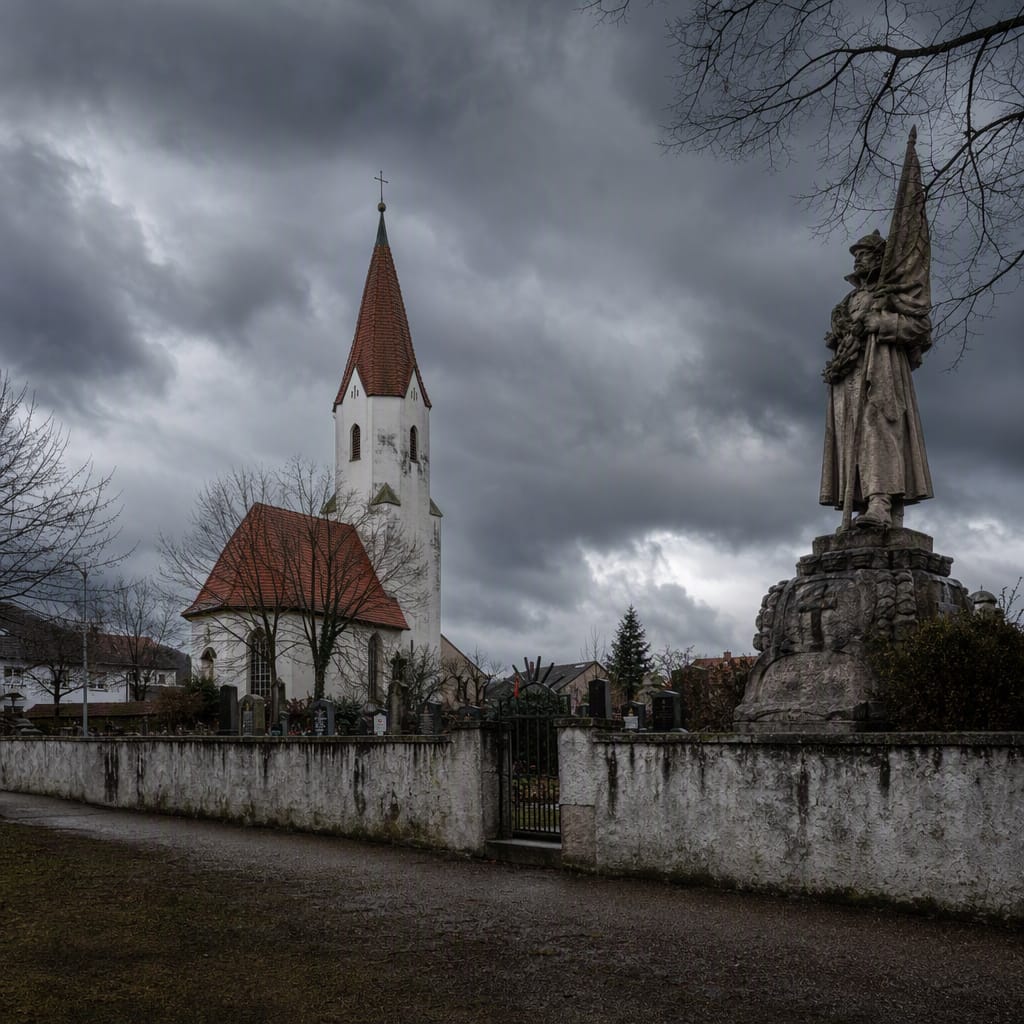
Try the first stop

Aberlestraße and Senserstraße
Everyday street signs quietly preserve the names of executed Bavarian resistance leaders.
These ordinary residential streets form a discreet memorial to Johann Georg Aberle and Johann Sebastian Senser, civic figures punished after the 1705 revolt. Their names reveal how Sendling transformed condemned insurgents into local heroes. Notice how remembrance is woven into apartment life, corner shops, bicycles, and daily directions rather than confined to monuments.
The route
11 stops, in order.
- Stop 1 · Free sample
Aberlestraße and Senserstraße
Everyday street signs quietly preserve the names of executed Bavarian resistance leaders.
 Stop 2
Schmied-von-Kochel-Denkmal
Sendling’s legendary blacksmith turns a devastating defeat into a defiant popular symbol.
 Stop 3
Old St. Margaret
The massacre’s sacred center holds Sendling’s most powerful memories of resistance and loss.
- 4Stop 4
Stemmerhof
A surviving farm courtyard reveals the agrarian world that sustained the uprising.
 Stop 5
Stemmerwiese
This rare meadow preserves a glimpse of the open landscape rebels crossed.
 Stop 6
New St. Margaret
Sendling’s monumental parish church shows how a village became an urban district.
 Stop 7
Daiserstraße
An intimate old lane preserves the scale and rhythm of village Sendling.
- 8Stop 8
Kidlerplatz
A neighborhood square remembers an innkeeper executed for supporting Bavaria’s popular rebellion.
 Stop 9
Neuhofener Berg
This wooded slope makes the vanished terrain of rural Sendling visible again.
 Stop 10
Old St. Achaz
Mittersendling’s old parish church evokes the village networks behind the uprising.
- 11Stop 11
Bauernbräuweg
A humble lane name recalls the farms, brewing, and inns powering village life.
The app guides you from stop to stop with GPS and plays each story when you arrive.
More tours in Munich
See all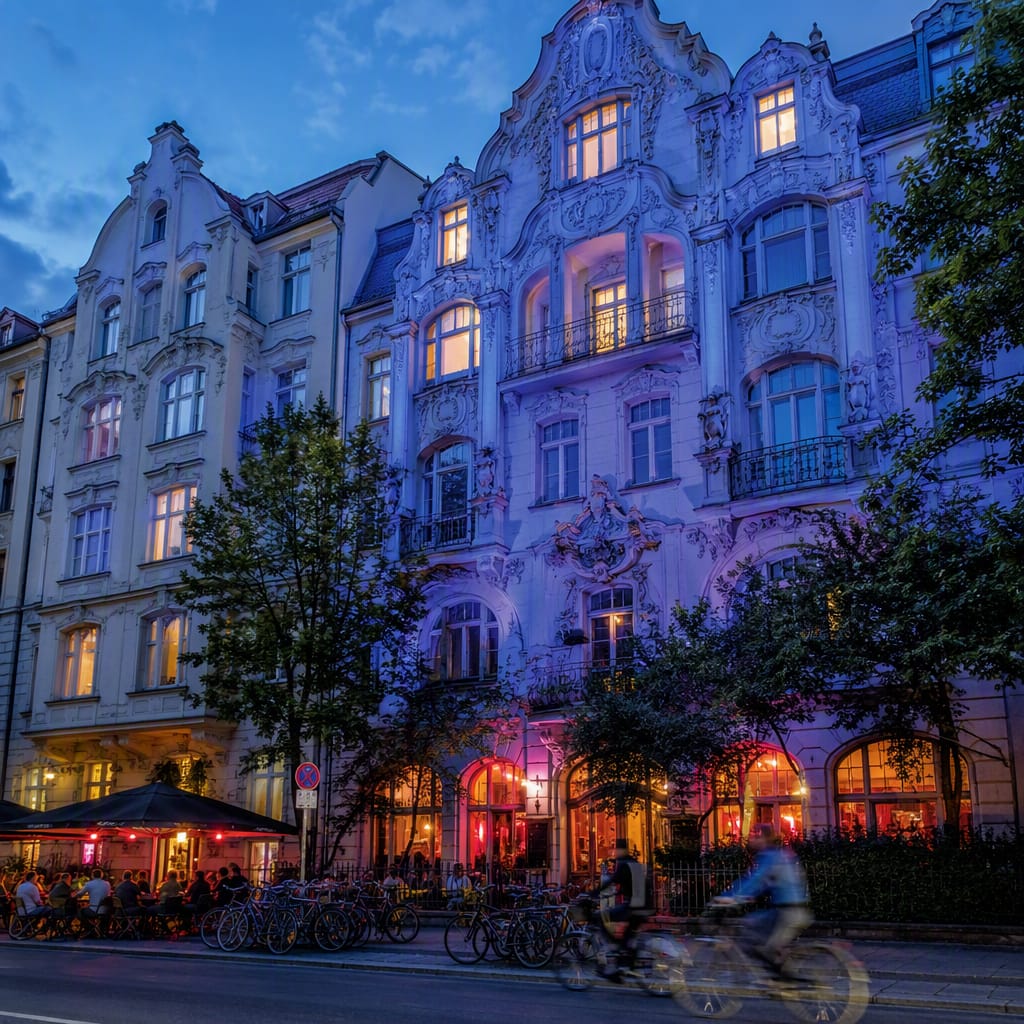 Voyay walking tour
Bohemian Trails Through Schwabing
Jugendstil streets, rebel artists, and cabaret echoes after dark
9 stops · 175 min · 7.3 km · Free
 Voyay walking tour
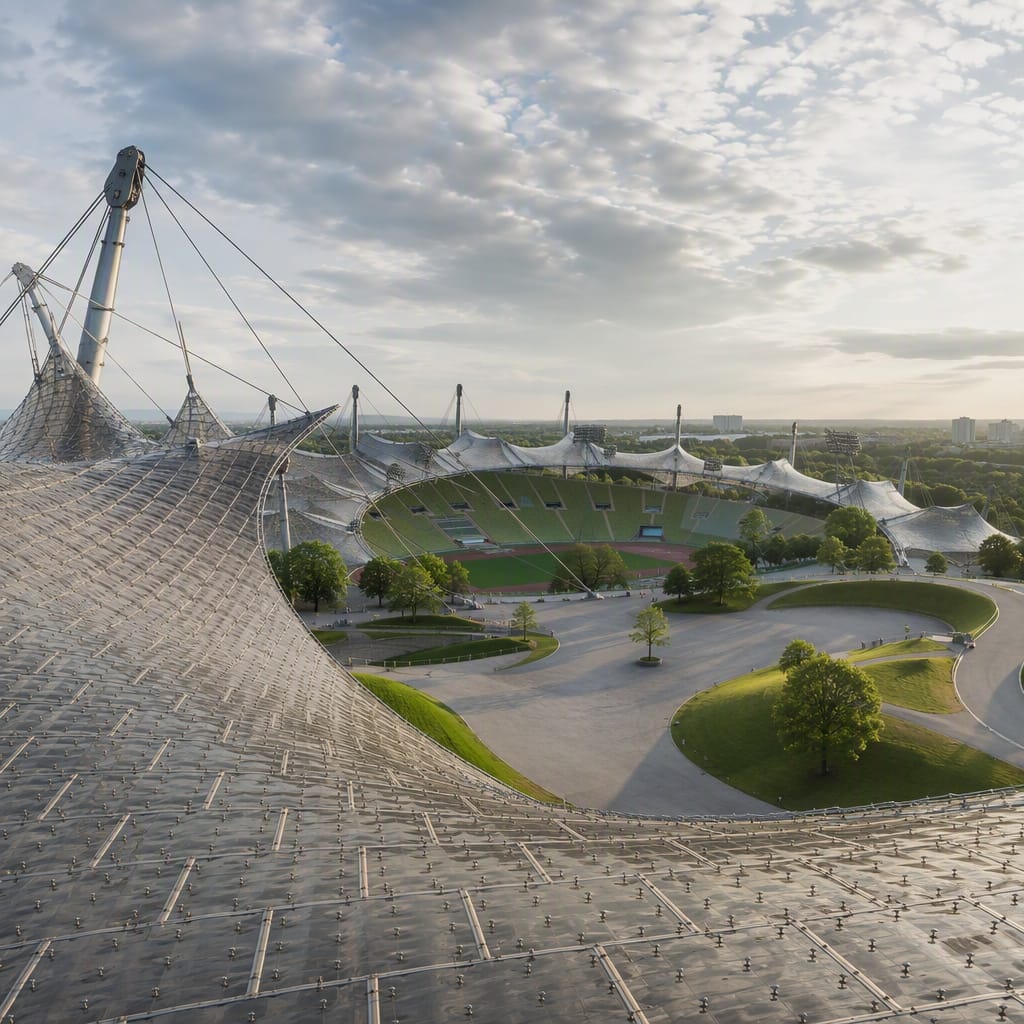
Under the Tent Roof
Walk Munich’s bold landscape of sport, architecture, memory, and reinvention
9 stops · 145 min · 5.1 km · Free
 Voyay walking tour
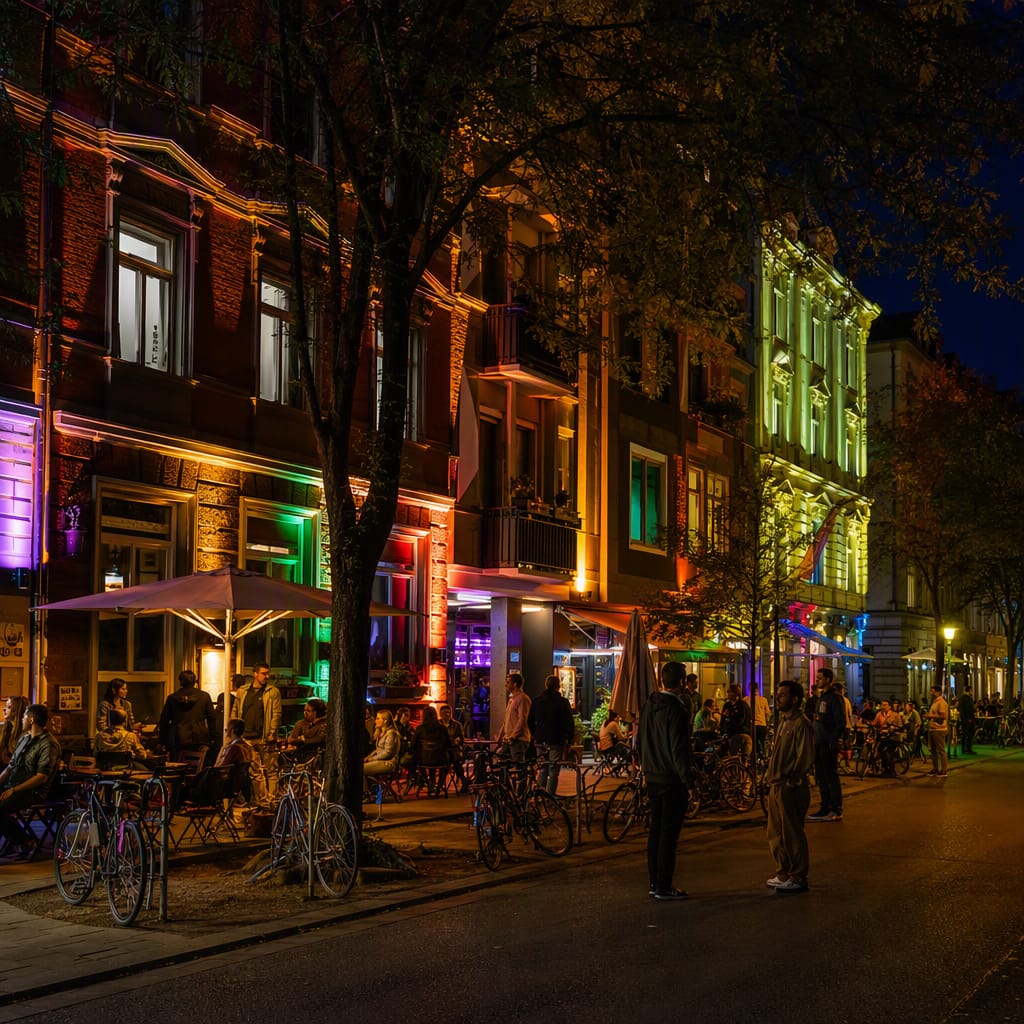
Queer Paths Through Glockenbach
Trace activism, after-hours legends, and Freddie Mercury’s liberated Munich years
11 stops · 142 min · 3.9 km · Free