Carnival, Sound and Resistance
Walk the streets where Caribbean London claimed space and voice
- London, United Kingdom
- 12 stops
- 156 min
- 4.3 km
- History
Try the first stop

Frestonia
A playful breakaway republic turned housing resistance into an unforgettable community campaign.
In 1977, residents facing redevelopment declared their neighbourhood the Free and Independent Republic of Frestonia. The joke carried a serious demand: secure homes and community control. Survey the mix of railway infrastructure, older housing and newer development while considering how struggles over land shaped North Kensington long before and after Carnival.
The route
12 stops, in order.
- Stop 1 · Free sample
Frestonia
A playful breakaway republic turned housing resistance into an unforgettable community campaign.
- 2Stop 2
Blechynden and Bramley
The ordinary junction where racist violence ignited a determined struggle for belonging.
- 3Stop 3
Grenfell Wall of Truth
A living memorial where Grenfell remembrance and demands for justice meet.
- 4Stop 4
People's Sound Records
A specialist reggae shop preserving the human craft behind sound-system culture.
- 5Stop 5
The Mangrove
A former Caribbean restaurant that became a landmark of Black British resistance.
- 6Stop 6
The Tabernacle
A year-round cultural engine powering Carnival beyond its famous parade weekend.
 Stop 7
Powis Square
Elegant terraces conceal histories of housing exploitation, squatting and Carnival gathering.
 Stop 8
Rhaune Laslett's Home
The organizing base behind a neighbourhood festival transformed by Trinidadian musicians.
- 9Stop 9
Portobello Green
The Westway’s concrete shadow became a powerful stage for community sound.
- 10Stop 10
Kelso Cochrane Plaque
A small memorial preserves the story of an unsolved racist murder.
 Stop 11
Emslie Horniman's Pleasance
A neighbourhood park transformed into one of Carnival’s liveliest performance grounds.
 Stop 12
Meanwhile Gardens
Residents transformed neglected canal-side land into a lasting community oasis.
The app guides you from stop to stop with GPS and plays each story when you arrive.
More tours in London
See all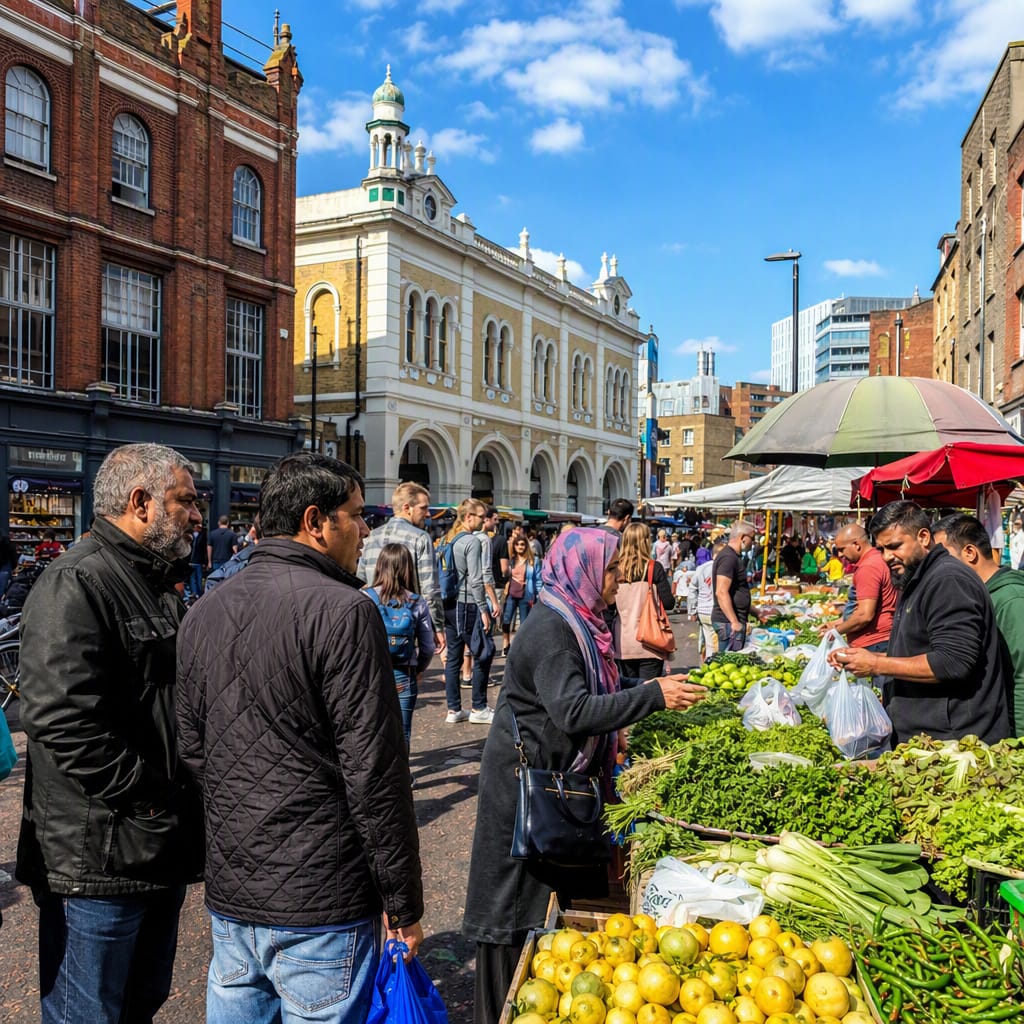 Voyay walking tour
Threads, Trades and Brick Lane
Follow silk, spice, worship, and resistance through changing Spitalfields
12 stops · 183 min · 6.2 km · Free
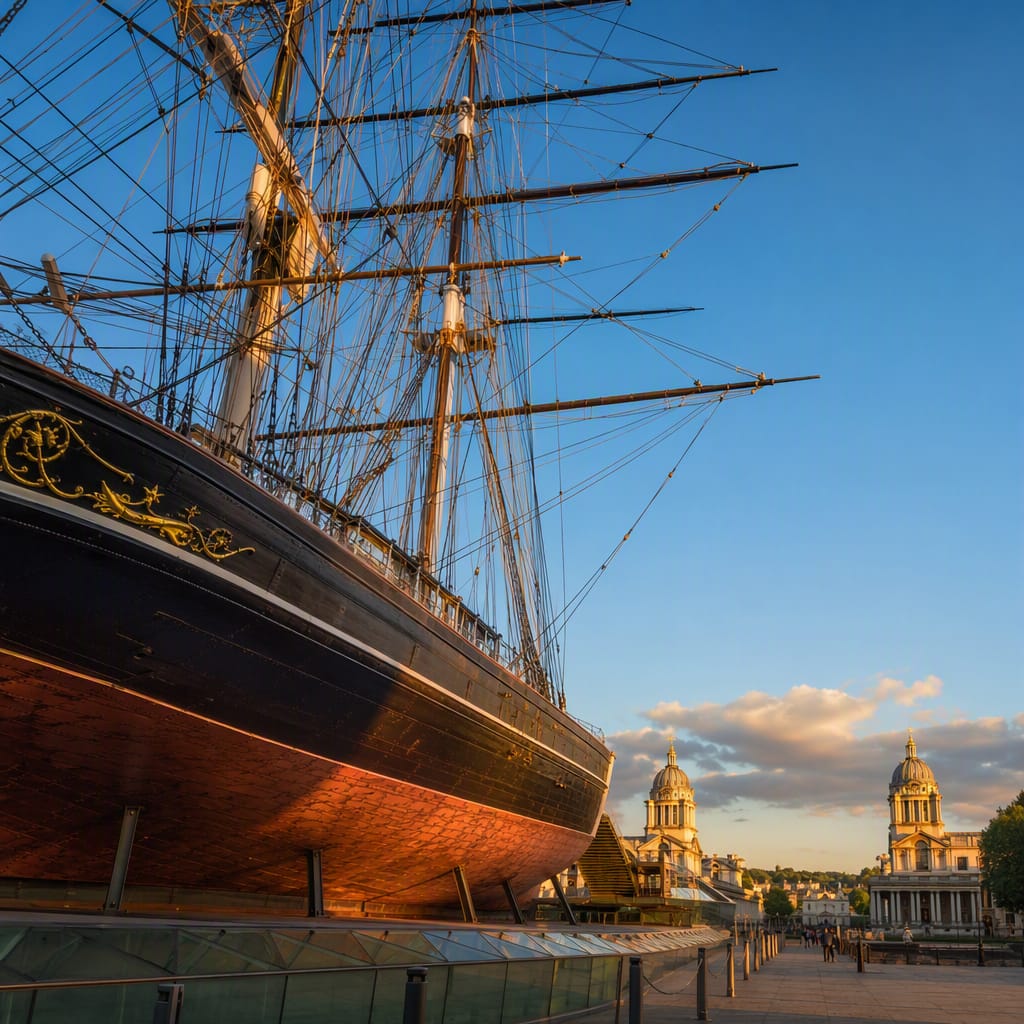 Voyay walking tour
Greenwich Clocks, Clippers and Crowns
Race from global trade to the birthplace of world time
10 stops · 110 min · 2.2 km · Free
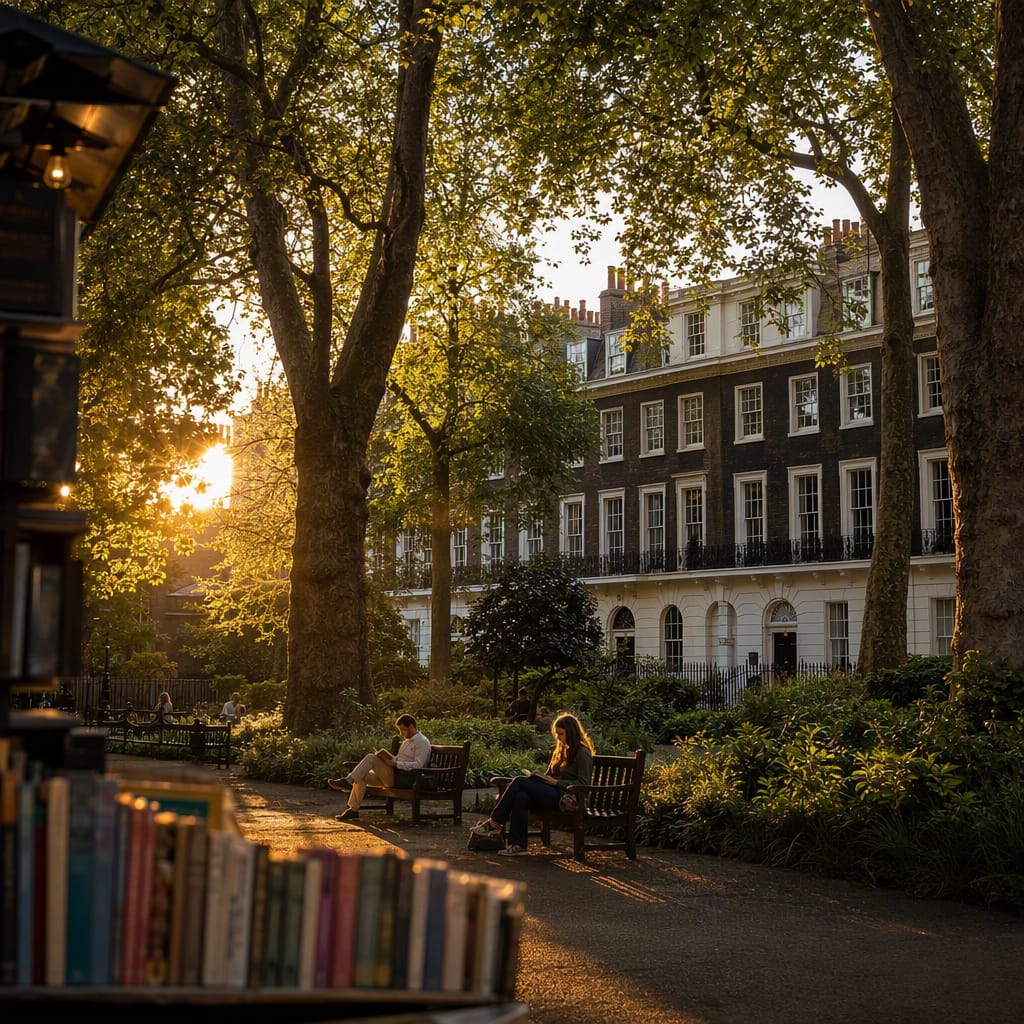 Voyay walking tour
Bloomsbury’s Rebel Minds and Books
Trace writers, reformers, queer activists, presses, and peaceful garden squares
11 stops · 156 min · 4.8 km · Free