Walking Boston’s Black Freedom Network
Meet the neighbors who turned Beacon Hill into resistance headquarters
- Boston, United States
- 12 stops
- 173 min
- 5.3 km
- History
Walking Boston’s Black Freedom Network is a self-guided audio walking tour in Boston with 12 stops, about 5.3 km, around 173 minutes. Walk it whenever you like with the Voyay app, which guides you on a live map and tells the story of each stop.
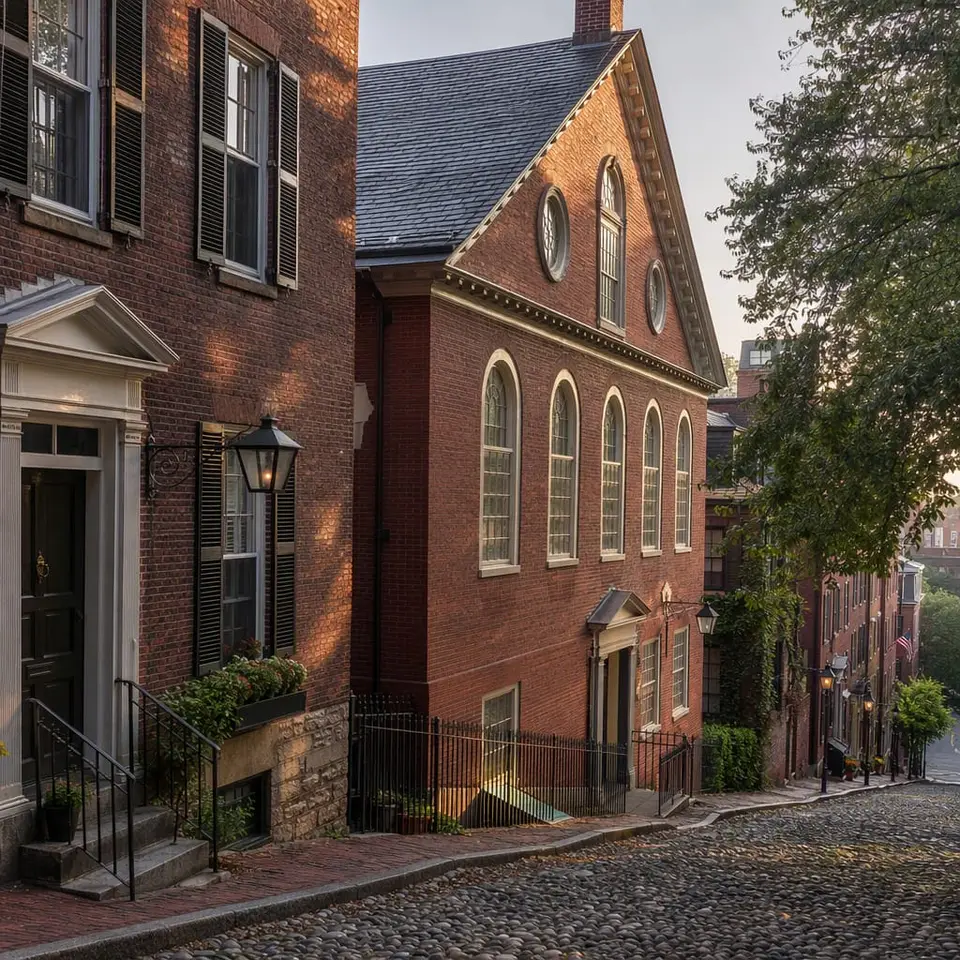
Try the first stop
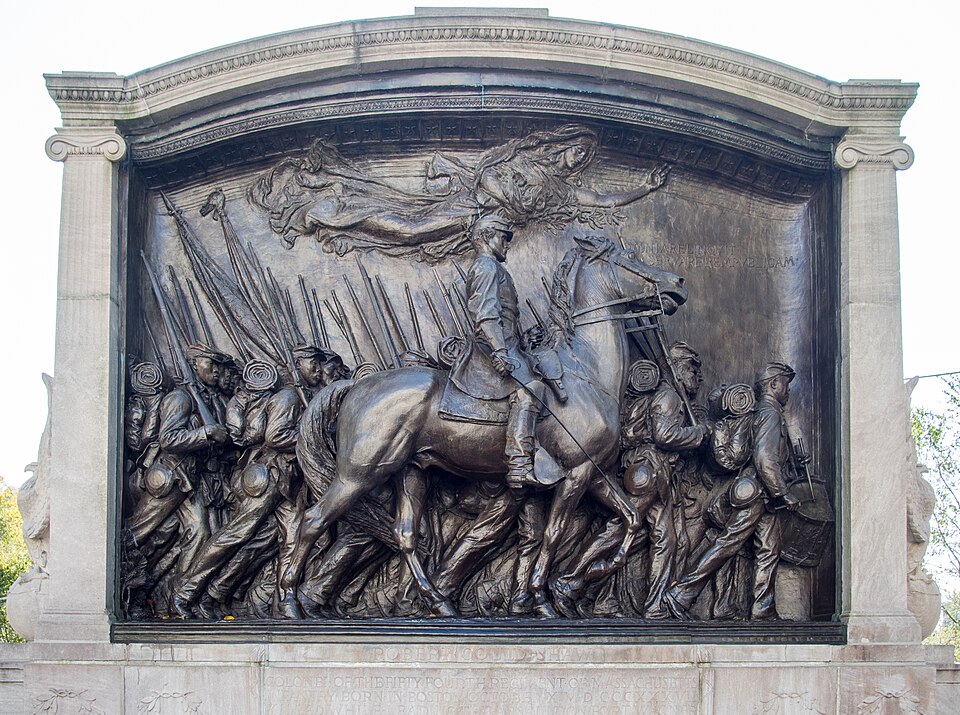
Photo: Rhododendrites, CC BY-SA 4.0
54th Regiment Memorial
Honor the Black soldiers whose march transformed abolitionist conviction into military action.
Begin beside Augustus Saint-Gaudens’s powerful bronze procession of the 54th Massachusetts Infantry. Study the soldiers’ individualized faces, rifles, bedrolls, and steady stride rather than focusing only on Colonel Shaw. Their 1863 departure from Boston Common connected Beacon Hill’s abolitionist organizing directly to armed resistance against slavery.
The route
12 stops, in order.
 Stop 1 · Free sample
54th Regiment Memorial
Honor the Black soldiers whose march transformed abolitionist conviction into military action.
Photo: Rhododendrites, CC BY-SA 4.0
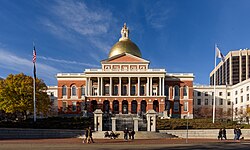 Stop 2
Massachusetts State House
See where Black-led campaigns pushed Massachusetts from compromise toward antislavery action.
Photo: King of Hearts, CC BY-SA 4.0
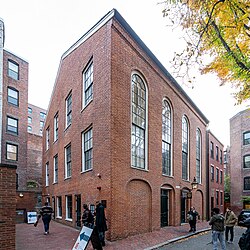 Stop 3
George Middleton House
Discover an early Black homeowner, veteran, builder, and community leader on Beacon Hill.
Photo: ajay_suresh, CC BY 4.0
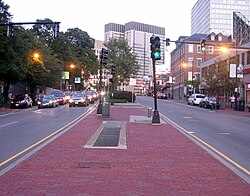 Stop 4
Joy Street
Climb the historic spine of Boston’s free Black neighborhood and organizing network.
Photo: Pi.1415926535, CC BY-SA 3.0
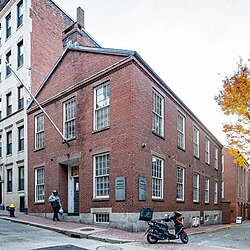 Stop 5
Abiel Smith School
Enter the struggle where Black families challenged segregated education in nineteenth-century Boston.
Photo: ajay_suresh, CC BY 4.0
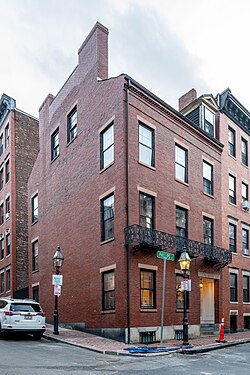 Stop 6
African Meeting House
Stand inside Black Boston’s landmark center for worship, organizing, education, and resistance.
Photo: ajay_suresh, CC BY 4.0
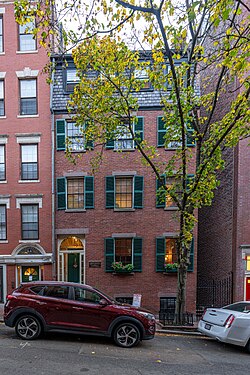 Stop 7
Smith Court Residences
Explore the close-knit households that quietly sustained Boston’s organized resistance to slavery.
Photo: ajay_suresh, CC BY 4.0
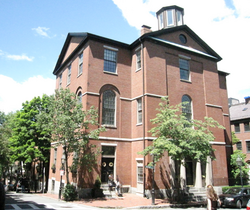 Stop 8
John Coburn House
Meet the Black entrepreneur who risked prosecution while defending freedom seekers in Boston.
Photo: M2545, Public domain
- Stop 9
Lewis and Harriet Hayden House
Visit Boston’s best-documented home of formerly enslaved Underground Railroad leaders and protectors.
Photo: ajay_suresh, CC BY 4.0
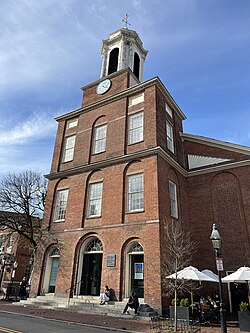 Stop 10
Charles Street Meeting House
Uncover a church where resistance to segregated seating sparked lasting institutional change.
Photo: Seasider53, CC BY-SA 4.0
- 11Stop 11
John J. Smith House
Follow a barber’s journey from Underground Railroad activist to elected public official.
- 12Stop 12
Phillips School
See the tangible victory won by Black families fighting Boston’s segregated schools.
The app guides you from stop to stop with GPS and plays each story when you arrive.
More walks in Boston
All Boston walking tours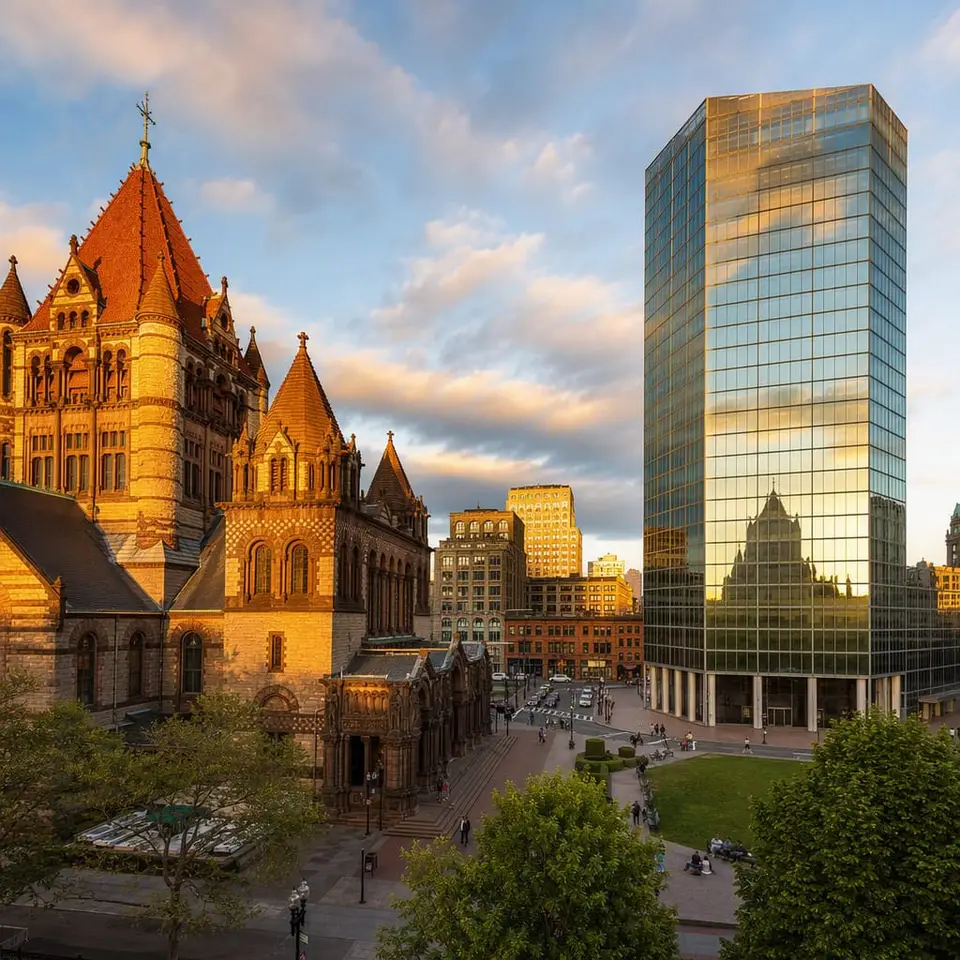 Voyay walking tour
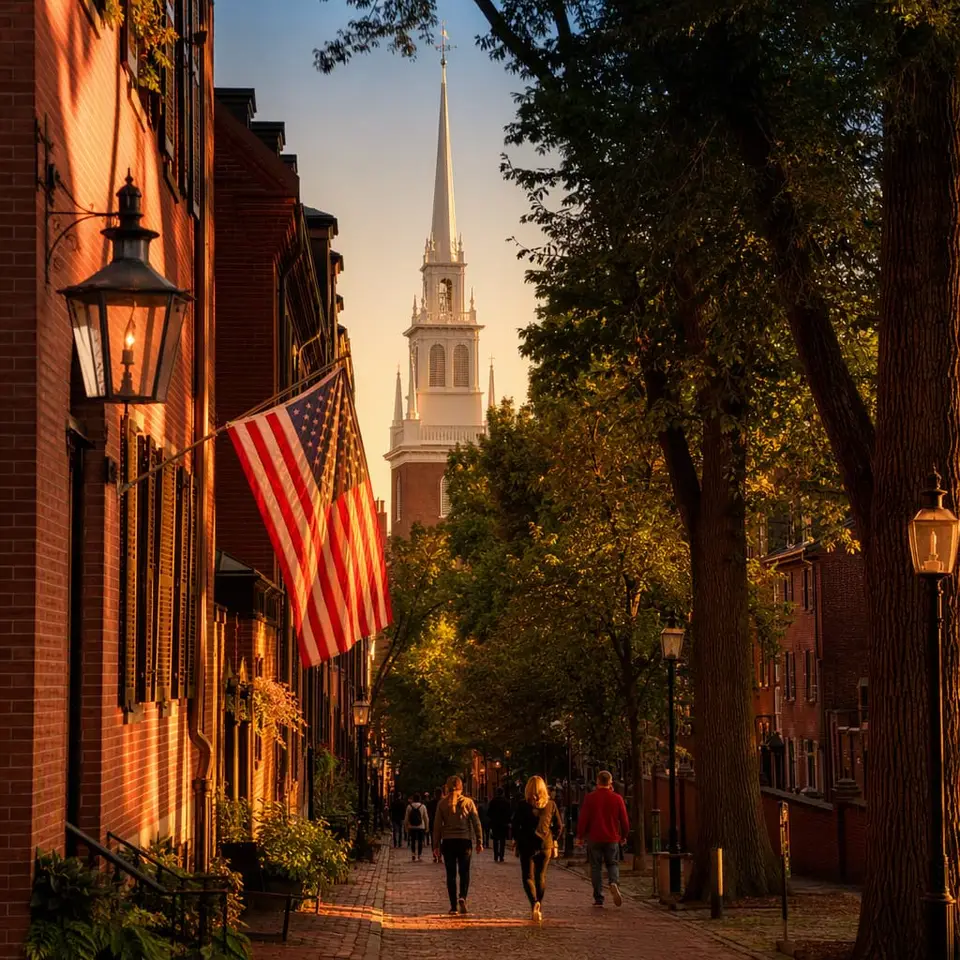
Building Boston’s Gilded Back Bay
Trace landfill, brownstones, hidden infrastructure, and bold architectural rivalries
12 stops · 146 min · 3.4 km · Free to start
 Voyay walking tour
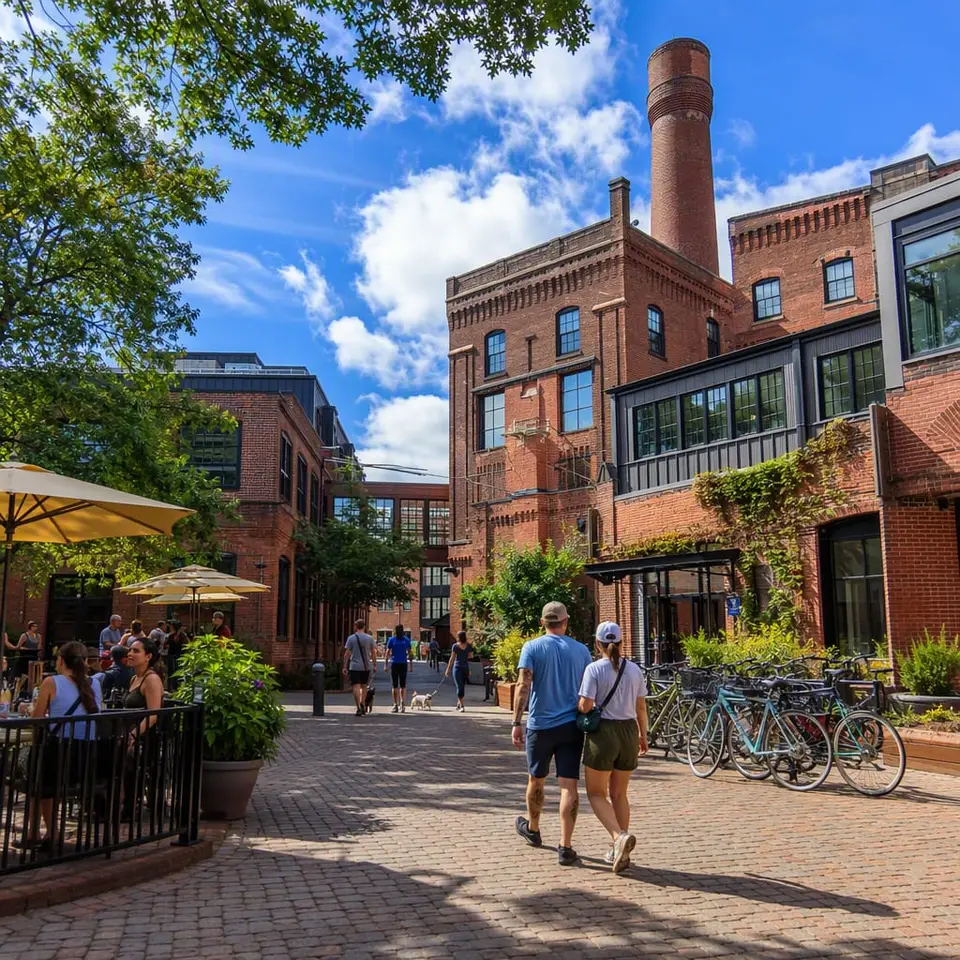
Layers of Boston’s North End
Trace faith, labor, migration, and memory through intimate neighborhood streets
11 stops · 119 min · 2.2 km · Free to start
 Voyay walking tour
Rails, Beer, and Reinvention
Trace Jamaica Plain’s brewing past and community-built transportation future
11 stops · 161 min · 5.2 km · Free to start