Maldives Travel Guide: Beaches, Resorts, Diving, Logistics
Step off the plane in Malé and the first thing you notice is the blue. Not just one blue, but layers of it—electric shallows, milky lagoons, inky channels—stitched together by arcs of white sand and green palms. The Maldives is every postcard you’ve ever seen come to life, but it’s also a living, breathing nation with a capital that hums, fishermen who command the sea, and coral reefs that crackle with color beneath the surface. If you’re dreaming of Maldives beaches, eyeing overwater resorts, or plotting your first drift dive, consider this your friendly, thorough guide from the gateway city to the farthest atoll.
TL;DR: For peak sun, visit December–April; for mantas and value, May–November. Split your stay—start on a local island for culture and savings, then finish at a resort for overwater bliss. Don’t miss a Malé market stroll, a sandbank picnic, and at least one drift dive or manta snorkel. Transfers add up; book them early and build buffer time.
Malé Travel Guide: The Gateway with a Pulse
Most travelers arrive thinking Malé is just a transit stop. It can be—but it’s also the fastest way to add texture to your trip. The capital is compact, densely populated, and wonderfully walkable. Think scooters zipping past pastel buildings, the scent of grilled tuna in the air, and calls to prayer echoing over the seawall.
A perfectly doable half-day in Malé
If you’ve got a long layover or you’re staying overnight before a seaplane hop, lace up and go exploring:
- Start at the harbor and wander through the bustling fish market. Watch fishermen fillet skipjack tuna with lightning precision and spot gleaming trevally destined for island kitchens.
- Step into the nearby local market where piles of coconut, bananas, and “maldive fish” (sun-dried tuna) line the stalls. It’s a slice of everyday life.
- Walk to Hukuru Miskiy, the Old Friday Mosque. Carved from coral stone and dating back centuries, it’s a quiet masterpiece. Dress modestly and ask for guidance at the entrance if you wish to look inside.
- Stroll past the Grand Friday Mosque and Republic Square before circling to Sultan Park and the National Museum for a cool, shaded breather.
- End at Artificial Beach, a crescent of city shoreline where families swim at sunset.
For a taste of Maldivian flavors, duck into a neighborhood “Sai hotaa” (tea shop) for hedhikaa—bite-sized snacks like fish samosas, banbukeyo (breadfruit) fritters, and sweet coconut cakes. You’ll also see staples like mas huni (tuna, coconut, onion, chili) eaten with roshi flatbread, and fragrant garudhiya fish broth served with rice and lime.
A tiny personal moment: the first time a fishmonger pressed a sliver of just-cut tuna into my palm with a grin, I realized Malé isn’t a pit stop—it’s a heartbeat.
Practical notes: Malé is safe to walk by day; at night, stick to lit areas. Dress modestly (shoulders and knees covered) and remember that alcohol is prohibited in the city and on local islands—it’s served only at resorts and on licensed safari boats.
Best Maldives Beaches: Powder-Soft Sand and Sandbanks
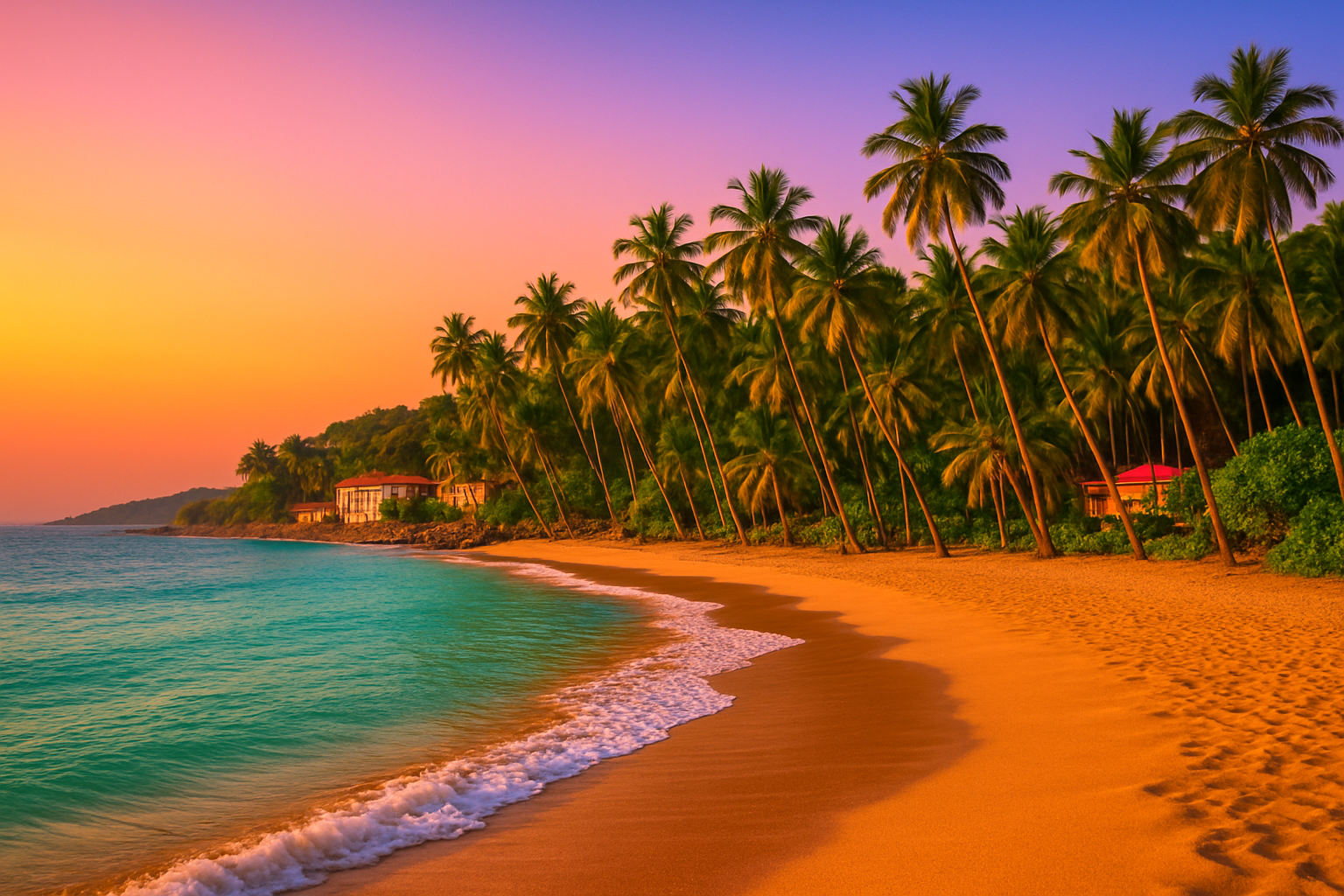
The Maldives’ beaches aren’t just beautiful; they’re built differently. The sand is made from pulverized coral, which gives it that signature soft, powdery feel. Lagoons are shallow and calm, framed by reef crests where surf breaks in the distance. That means clear water, easy swimming, and a palette that looks filtered even in real life.
Near Malé: easy-to-reach shores
- Hulhumalé Beach: A long, golden stretch on the reclaimed island next to the airport, perfect for a pre- or post-flight swim. Cafés dot the promenade, and it’s a good place to watch locals unwind.
- Vilimalé (Villingili): A short public ferry ride from Malé, this green, residential island has small beaches and a relaxed, car-free vibe.
- Maafushi Bikini Beach (Kaafu Atoll): One of the most popular local islands for budget travelers, Maafushi has a designated “bikini beach” where swimwear is allowed, plus a lively strip of cafés and water sports.
- Thulusdhoo: Known for surf breaks like Cokes, this island also has pleasant beaches and a creative expat-meets-local community vibe.
Farther-flung gems worth the journey
- Fulhadhoo (Baa Atoll): Often praised as one of the most beautiful beaches in the country, with wide, quiet sands and a real castaway feeling.
- Dhigurah (South Ari Atoll): A long, skinny island ending in a dreamy sandspit. Come for sunrise walks and stay for the chance to snorkel with whale sharks offshore.
- Veligandu Sandbank (Rasdhoo area): A wispy white tail of sand stretching into luminous turquoise—impossibly photogenic and serene at low tide.
- COMO Cocoa Island (Makunufushi): A boutique resort with dhoni-shaped villas curling along a sandbar; ask about the nearby Cocoa Island Sandbank for dreamy photos and swims.
Insider tip: Ask your guesthouse or resort about “picnic islands” and sandbank trips. A half-day escape to an uninhabited spit of sand can be the purest beach experience you’ll have—just you, the sky, and the sea.
Glowing nights: bioluminescent plankton
You’ve probably seen those viral photos of beaches that glow blue at night. In the Maldives, this bioluminescence can appear almost anywhere when conditions align—most famously at Vaadhoo in Raa Atoll. It’s unpredictable, but late summer to early winter often yields sightings. Keep expectations flexible, bring a tripod, and give your eyes time to adjust to the dark; sometimes the glow is subtle until a wave breaks.
Beach etiquette and safety
On inhabited local islands, wear swimwear only on designated bikini beaches; elsewhere, opt for modest attire. Don’t take shells or coral, and pack your trash out.
In shallow lagoons, wear a rash guard to protect from sun and avoid standing on coral—it’s alive, fragile, and sharp. Ask locals about conditions before swimming near channel edges, where currents can be deceptively strong, especially on outgoing tides. If lifeguard flags are posted, follow them.
Reef cuts need care: rinse with clean fresh water, disinfect (povidone-iodine works well), and monitor for redness or swelling. Seek a local clinic if a cut looks angry—coral scrapes can infect quickly.
After storms, jellyfish and tiny stingers can drift in. A rash guard and leggings help, and a quick check with your host or dive center keeps surprises to a minimum.
Maldives Resorts and Stays: From Overwater Opulence to Local Guesthouses
The Maldives invented the “one-island, one-resort” concept, and it shows. Privacy feels effortless, service is intuitive, and the backdrop is cinematic. But the country also welcomes travelers who want the same natural beauty without the big price tag. Your accommodation choices can shape the entire feel of your trip.
Ultra-luxury icons
If you’re here to splurge, you’ll find floating breakfasts, overwater villas with private pools, and perhaps even a slide right into the sea. Think barefoot luxury with serious eco-cred.
- Soneva Fushi and Soneva Jani: Synonymous with “no news, no shoes” elegance, outstanding dining, and stargazing from bed under retractable roofs.
- Gili Lankanfushi: A favorite for its rustic-chic villas and exceptional service—intimate, sustainable, and deeply relaxing.
- Four Seasons Landaa Giraavaru: Luxe villas paired with a marine discovery center and access to Baa Atoll’s manta magic.
Great for families
- Kurumba Maldives: A short speedboat hop from the airport—ideal if you want minimal transit with kids. Plenty of dining options and activities.
- Niyama Private Islands: With a chilled, modern vibe and one of the better kids’ club scenes in the country.
- Kandima Maldives: Playful design, expansive facilities, and lots to keep little ones busy.
Diver- and snorkeler-friendly choices
- Constance Moofushi: Beloved by divers for access to prolific sites in the Ari atolls, with a polished yet relaxed all-inclusive approach.
- Six Senses Laamu: A sustainability leader in a remote atoll, with superb house reef snorkeling and seasonal surf.
- Reethi Faru: A mid-range favorite known for a lively house reef and good value.
Authentic and affordable on local islands
Guesthouses on islands like Maafushi, Thoddoo, Thulusdhoo, Fulidhoo, and Dhigurah are changing how people do the Maldives. Rooms can start around $50–$120 per night depending on season, and meals at local cafés often hover between $5–$12. You’ll trade alcohol and overwater villas for friendly hosts, culture, and the freedom to explore public ferries and local eateries.
Smart strategy: Split your stay. Do a few nights on a local island (for budget-friendly exploration and culture), then treat yourself to two or three nights at a resort to end on a high. You’ll experience both sides of the Maldives—and stretch your budget.
How to choose the right island for you
- Distance and transfers: Close to Malé means speedboats and less travel time. Farther atolls usually require seaplanes or domestic flights. Factor transfer costs into your budget—they can add hundreds per person.
- House reef quality: If snorkeling is your priority, ask about the house reef right off the beach and how healthy it is. Some islands are encircled by reef walls; others have sandy lagoons with patch reefs.
- Meal plans: All-inclusive helps control costs at resorts, where à la carte pricing is high. Half-board can work if you plan lighter lunches or off-island excursions.
- Vibe: Adults-only serenity, family-friendly fun, or a mix? Some islands are tiny and quiet; others have more restaurants, activities, and a social buzz.
- Interests: Divers may prefer atolls known for big encounters (Ari for whale sharks, Baa for mantas). Surfers gravitate to eastern atolls in swell season. Wellness seekers might choose islands with standout spas and yoga pavilions.
Maldives Diving Guide: Reefs, Drift Dives, and Snorkeling
Slip beneath the surface and the Maldives becomes a galaxy of color and motion: anemones swaying like dancers, parrotfish crunching coral, eagle rays slicing through the blue. For many, this is the reason to come.
A diver’s day, told from the blue
The zodiac drops you on the edge of a channel at slack tide. You descend to 18 meters, tuck behind a coral bommie, and watch the theater unfold: a grey reef shark cruising against the current, clouds of fusiliers shimmering like glitter, and a hawksbill turtle flapping by, unhurried and ancient. When the current flips, you let go—and the world becomes a drift. You fly past overhangs coated in yellow soft corals, peek into crackling caverns, and surface to a dhoni silhouetted against a white line of surf. Lunch tastes better with salt in your hair.
Personal aside: the first time a manta looped above me in Laamu, I laughed through my regulator—pure, quiet awe.
Signature sites and what they offer
- Banana Reef (North Malé Atoll): The country’s classic site, famous for its dramatic contours, overhangs, and rich fish life. Great for a first taste of Maldivian diving.
- Maaya Thila (North Ari Atoll): A perfect pinnacle for both day and night dives. Expect whitetip reef sharks, giant trevally, and the chance to see hunting action after dark.
- Hanifaru Bay (Baa Atoll): A UNESCO Biosphere Reserve where, from roughly June to November, plankton blooms can draw dozens of manta rays and the occasional whale shark. It’s snorkel-only in the core zone, with strict controls that protect the animals.
- Fotteyo Kandu (Vaavu Atoll): Legendary channel diving with swim-throughs and caverns festooned in soft corals. Stronger currents reward experienced divers with pelagic sightings.
- South Ari Whale Shark Zone: Around Maamigili and nearby reefs, whale sharks can be encountered year-round—most frequently on the southern side of the atoll. Snorkel tours are common; choose ethical operators who don’t chase the animals.
- Addu Atoll’s British Loyalty Wreck: A WWII-era tanker sitting around 30 meters, draped in corals and steeped in history.
- Rasdhoo’s Madivaru: Early-morning dives can bring hammerhead shark sightings out in the blue, with reef action on the plateau after sunrise.
When to dive and what to expect
- Dry season (roughly November–April): Generally calmer seas with excellent visibility. Many divers consider this prime time for wide-angle scenery.
- Wet season (May–October): More plankton in the water draws megafauna like mantas and whale sharks in certain atolls. Expect the occasional squall, but plenty of blue-sky windows too.
Water temps hover around 27–29°C year-round. Beginners can thrive here with many gentle reef dives and PADI/SSI courses available at resorts and local islands. Advanced divers will find exhilarating drift dives in channels where currents can be strong.
Golden rule underwater: Look, don’t touch. Good buoyancy saves coral. Give big animals space, never chase, and keep your fins up to avoid accidental kicks.
Liveaboards: the roving diver’s dream
A week on a dive liveaboard strings together iconic sites across multiple atolls—three or four dives a day, sunset barbecues on sandbanks, and breezy nights on deck under the Milky Way. If you want maximum variety with minimal logistics, this is it. Bring your certification card and logbook, consider dive insurance, and remember the no-fly interval (18–24 hours) after your last dive.
Snorkeling: the democratic joy
Even if you never strap on a tank, Maldivian house reefs can be astonishing. Spot green and hawksbill turtles, reef sharks, octopuses, and swirls of butterflyfish in three meters of water. A simple tip that changes everything: swim out along the current and drift back—your shoulders will thank you.
Maldives Travel Logistics: Make the Islands Work for You
Visiting a nation of 1,000+ islands means a few moving parts. Get them right, and everything else feels effortless.
Best time to visit the Maldives
- Peak sunshine: December to April is the driest window, especially Jan–Mar. Prices are highest and availability tight around holidays.
- Shoulder sweet spots: November and late April/May, plus October, can balance value with good weather—some showers, plenty of sun.
- Green season: May to October brings more rainfall and occasional storms, but also the manta magic in Baa Atoll and consistent surf in the east. If you’re flexible and budget-conscious, this can be a win.
Entry and essentials
- Visa: Most nationalities receive a 30-day visa on arrival. Bring a passport valid for at least six months, proof of onward travel, and accommodation details.
- Forms: The Maldives has used an online traveler declaration system; check current requirements before you fly as policies can change.
- Health: No special vaccines for most travelers, but travel insurance is wise. If you plan to dive, consider dive-specific coverage. There is a recompression chamber near Malé.
Getting around: seaplanes, speedboats, ferries
- Seaplanes: The most scenic transfer you’ll ever take. Bags are typically limited to around 20 kg (plus small hand luggage), and flights operate daylight hours with weather contingencies. Build buffer time into your itinerary.
- Speedboats: Many islands within about 1–2 hours of Malé are reachable by scheduled or private speedboats. They run more flexibly and often cost less than seaplanes.
- Domestic flights: Fixed-wing hops connect distant atolls to regional airports, followed by short speedboat rides.
- Public ferries: The ultra-budget option between local islands. They’re cheap and authentic but slower, with limited schedules. Check timetables carefully and pack patience.
Transfers add up. A round-trip speedboat might be $50–$200 per person; seaplanes can easily be $300–$700+ per person depending on distance. Always confirm transfer costs upfront.
Money, taxes, and tipping
The Maldivian Rufiyaa (MVR) is the local currency, but US dollars are widely accepted. Credit cards work in resorts and many guesthouses, while small shops and ferries prefer cash.
- Resorts and liveaboards: Expect a 10% service charge plus 16% Tourism GST (TGST) on most bills, and a Green Tax (commonly USD $6 per person per night).
- Local islands: Most everyday purchases incur 8% GST, and guesthouses typically collect a Green Tax (commonly USD $3 per person per night).
Always check whether prices include tax and service. Tipping is appreciated but not mandatory; a few dollars for porters or boat crew goes a long way.
Connectivity and power
Buy a local SIM (Dhiraagu or Ooredoo) at the airport for affordable data. Many resorts and guesthouses have solid Wi‑Fi, with some offering remote-work packages. Power is 230V; plug types most commonly D and G. Many accommodations provide universal adapters, but it never hurts to bring your own.
What to pack (beyond the obvious)
- Reef-safe sunscreen and a long-sleeve rash guard
- Lightweight cover-ups for local islands
- Water shoes for rocky entries and a dry bag for boat days
- A good mask and snorkel if you’re picky about fit
- Motion-sickness tablets for choppy transfers
- A compact first-aid kit (reef-safe antiseptic, bandages)
- Dive certification card and logbook if you plan to dive
Maldives Local Islands: Culture, Courtesy, and Everyday Joys
Staying on an inhabited island gives you more than a cheaper bed—it gives you context. You’ll hear the dawn call to prayer, see kids zipping to school on bikes, and watch fishermen repair nets under the shade of sea almonds.
What to expect at guesthouses
Rooms are simple, clean, and often just steps from the beach. Breakfast might be fresh fruit with mas huni and roshi. Your host can arrange sandbank picnics, dolphin cruises, and snorkeling trips at rates that won’t sting. Expect slower evenings; cafés replace cocktail bars.
Respecting culture without overthinking it
- Dress: Swimwear stays on designated bikini beaches; elsewhere, cover shoulders and knees.
- Alcohol: Not served on local islands. If you want drinks, book a resort day pass or plan your split stay accordingly.
- Fridays and Ramadan: Friday is a holy day, and during Ramadan some services may run on altered schedules. Be patient, and avoid eating or drinking in public during daylight in Ramadan out of respect.
- Drones: Always ask your host about local rules and privacy considerations before flying.
The budget reality
A local island day might look like this: $60–$90 for a comfortable room, $15–$25 for three meals at cafés, and $25–$60 for a half-day boat trip. Ferries are just a few dollars. You’ll spend more on activities than on daily living—and that’s a good trade in a place where the sea is the star attraction.
Sustainable Maldives Travel: Keeping Paradise, Paradise
The Maldives sits at the frontline of climate change, and its reefs have weathered bleaching events in recent years. The good news: many reefs are resilient, and conservation efforts are strong. Travelers play a huge part in keeping this ecosystem healthy.
- Choose reef-safe sunscreen. Chemicals like oxybenzone and octinoxate harm corals—look for mineral formulas with non-nano zinc oxide.
- Practice perfect buoyancy. One careless fin kick can break corals that took decades to grow.
- Don’t touch or stand on marine life. That includes turtles, sharks, and those tempting, plate-like tables of coral.
- Respect wildlife guidelines. In Hanifaru Bay, listen to rangers, keep clear of mantas’ paths, and don’t dive in the protected core zone.
- Join a conservation activity. Many resorts and NGOs run coral gardening, turtle rehabilitation talks, and reef clean-ups—memorable, meaningful, and kid-friendly.
- Use fewer single-use plastics. Carry a refillable bottle; many islands have desalinated water stations and glass bottle programs.
The simplest way to be a great ocean guest: leave nothing but bubbles and footprints in the sand.
7-Day Maldives Itinerary (Flexible)
Think of this as a flexible framework rather than a rigid schedule—tune it to your budget, interests, and weather.
- Day 1: Arrive Malé. If time allows, explore the fish market, Hukuru Miskiy, and Artificial Beach. Overnight in Hulhumalé for an early transfer the next day.
- Days 2–4: Local island stay (e.g., Maafushi, Thoddoo, or Dhigurah). Snorkel house reefs, do a sandbank picnic, and book a dolphin or whale shark excursion.
- Days 5–7: Resort time. Go all-in on overwater bliss, spa downtime, a sunset cruise, and a dive or two at a marquee site like Banana Reef or a channel near your atoll.
- Departure day: Buffer in a night near Malé if your seaplane runs tight to your international flight.
Maldives FAQs: Questions Travelers Ask
- Is Malé worth visiting? Yes—especially if you value culture. Even two or three hours adds depth to a beach-heavy itinerary.
- Which Maldives island has the best beaches? Beauty is everywhere, but Fulhadhoo, Dhigurah’s sandspit, and curated resort sandbanks like Veligandu are repeat standouts.
- What’s the best time to visit the Maldives? For dry, sunny days: December–April. For mantas and value: May–November, with peak manta season in Baa Atoll typically June–November.
- Do I need a visa? Most travelers get a 30-day visa on arrival; confirm details for your passport and fill out any required traveler declarations before flying.
- Can you drink alcohol on local islands? No—alcohol is served at resorts and licensed safari boats only.
- Is diving in the Maldives okay for beginners? Absolutely. There are calm reef sites and excellent instructors. Drift and channel dives with strong currents are better for experienced or Advanced Open Water divers.
What Makes the Maldives Different
Other tropical archipelagos have turquoise water and palm-fringed beaches, but the Maldives blends wild beauty with an unmatched resort model. The “one-island, one-resort” concept gives space and privacy that’s hard to replicate. The concentration of overwater villas, easy snorkeling access right from your deck, and the abundance of big marine life—manta rays, reef sharks, turtles, and whale sharks—make days feel cinematic without much effort.
At the same time, the rise of local island guesthouses opens this paradise to more people. You can island-hop by ferry, sip tea with fishermen, and still jump into water so clear it looks imaginary. Luxury or shoestring, five-star spa or five-dollar fish curry—you still get the same sunsets.
The Finish: Your Maldives, Your Way
Picture this: It’s late afternoon and you’re sitting on a wooden deck, feet dangling above water the color of melted aquamarine. You’ve just drifted past a reef stacked with coral, spotted a turtle, and watched an eagle ray flap by like a velvet kite. The air is warm, wind soft, ocean breathing. Tomorrow, maybe you’ll do a picnic on a sandbank. Maybe you’ll wander Malé’s market for snacks and stories. Maybe you’ll finally take that first dive course.
There’s no wrong way to do the Maldives—just your way. Explore the capital for context, seek out beaches that make time slow down, choose a resort or a guesthouse that fits who you are, and slip underwater to see why this archipelago is whispered about by divers around the world. With a bit of planning, anyone can be a Malé explorer. And once you’ve felt how blue can look, it never leaves you.