Colombo in a Day: Heritage, Sea Breezes & Street Food
Colombo is a city that reveals itself in layers. At first glance you’ll see a modern skyline rising over the Indian Ocean. But take a few steps into the Fort, or wander a leafy avenue in Cinnamon Gardens, and you start hearing the whispers of centuries—Portuguese forts, Dutch churches, British-era museums.
Add the scent of cinnamon and curry leaves and the salty breeze from Galle Face, and Colombo becomes not just a gateway to Sri Lanka, but a destination on its own terms. If you’re wondering how to fit history, beaches, and bold flavors into one short stay, this Colombo travel guide shows you exactly how—things to do in Colombo in one day, without feeling rushed.
Colonial Heritage: Where Colombo’s Past Still Walks the Streets
Colombo’s story is written in stone facades and street names. It was the prize of empires for its natural harbor, and the Portuguese, Dutch, and British each left their imprint—from administrative buildings and warehouses to grand hotels and churches. Strolling these neighborhoods connects you to a city that has always looked outward and welcomed the world.
The Fort: Clock Towers, Colonnades, and a Seaside Secretariat
Start where it all began, in Colombo Fort. Once a literal fortified enclave, it’s now the business district, but heritage buildings still line the avenues.
- The Old Dutch Hospital precinct is a standout. Dating to the 17th century, this long, low complex with thick walls and arcades once tended mariners; today it’s a beautifully restored dining and shopping courtyard. Come early for photos before it fills up, then return at night when lanterns glow in the colonnades.
- A short walk away, the Old Parliament Building faces the sea with neoclassical gravitas. It’s part of the city’s ceremonial heart, its colonnaded facade turning honey-gold at sunset. Across the road, the green sweep of Galle Face hints at the ocean life that’s never far from Colombo’s mind.
- Look up at the Colombo Lighthouse-Clock Tower, which once did double duty guiding ships and keeping time. It’s an odd but endearing reminder that Colombo’s fortunes always turned on the sea.
Did you know? The clock tower was designed with a lighthouse beacon on top in the 19th century—one of the rare urban clock towers that also guided ships into harbor.
Pause to notice street-level details too: brass plaques, Victorian ironwork, the ornate red facade of the old Cargills building. The Fort rewards slow exploration.
Pettah: Chaos, Color, and Sacred Spaces
Head east into Pettah, the city’s lively trading quarter. Narrow lanes burst with fabric bolts, spices, electronics, and life. If Fort is a museum in motion, Pettah is a soundtrack.
- The Jami Ul-Alfar Mosque—often called the Red Mosque—is hard to miss. Its candy-striped minarets and Moorish arches ripple like a mirage above market stalls. Visit with modest dress and respect; it’s a working place of worship.
- Tucked on a hill is Wolvendaal Church, a serene Dutch-era sanctuary from 1749. The coral-stone walls, worn teak pews, and carved tombstones in the floor all speak softly of “Dutch Ceylon.” Inside, the air is cool and still; outside, the city roars. The contrast is striking.
- Kayman’s Gate, once part of the old defenses, stands like a quiet punctuation mark in the bustle. It’s easy to miss unless you’re looking for it—part of Pettah’s charm is how history reveals itself between everyday moments.
Local tip: Pettah is wonderful in the morning before the heat builds. Wear light clothing, keep your belongings close, and let curiosity lead you down side streets—you’ll discover spice stalls where the scent of cardamom and cloves hits like a warm wave.
Cinnamon Gardens and Colombo 07: Culture, Lawns, and Long Avenues
For a different tempo, glide into Colombo 07, known historically as Cinnamon Gardens. The wide roads, embassy residences, and shade trees feel a world away from Pettah.
- The National Museum is housed in a palatial 1877 building that could pass for a European mansion were it not for the Sri Lankan lions gracing the entrance. Inside, the story stretches far beyond colonial times to the island’s ancient kingdoms. Give yourself time here—the galleries on art and craftsmanship are particularly rewarding.
- Independence Memorial Hall anchors a serene green with its pillared pavilion, built to commemorate Sri Lanka’s independence in 1948. Locals come to jog, practice dance, or simply sit under the trees. It’s a lovely pause point.
- Nearby, Viharamahadevi Park offers lakes, fountains, and giant rain trees casting theatrical shadows. If you’d like to see how Colombo unwinds, this is the place.
Did you know? Cinnamon Gardens got its name when the area was covered in cinnamon plantations during colonial times. Today the spice is less visible, but the scent lingers in the city’s kitchens.
Colombo Beaches and Ocean Views: Colombo’s Sea-Facing Soul
Colombo isn’t a postcard of palm-fringed coves—that’s the south coast’s job. But its relationship with the sea shapes daily life.
The city breathes with the ocean, and locals flock to the water’s edge for wind, space, and sunset.
Galle Face Green: Sunset Rituals and Street Food
This 5-hectare urban lawn unfurls along the Indian Ocean like the city’s front porch. Families fly kites that arc and tug in the sea breeze; couples share ice cream on seawall steps; teenagers chase one another past food carts.
Arrive in the late afternoon when the light softens. Walk the promenade, pausing for the classic isso vade (prawn fritters) from vendors whose sizzling skillets scent the air. If the wind is good, buy a kite and let it yank you into the rhythm of the place.
The waves crash with a comforting regularity, and the skyline behind you switches on like a stage set.
Local tip: Weekends get festive. For photos with fewer crowds, visit on a weekday evening. Keep an eye on valuables and wear shoes you don’t mind getting sandy and salty.
Galle Face isn’t for swimming—strong currents and breakers make it a strictly “look, walk, and eat” beach. But for a sense of Colombo’s heart, there’s nothing like it.
Mount Lavinia Beach: Golden Sand, Casual Dining, and a Dash of Legend
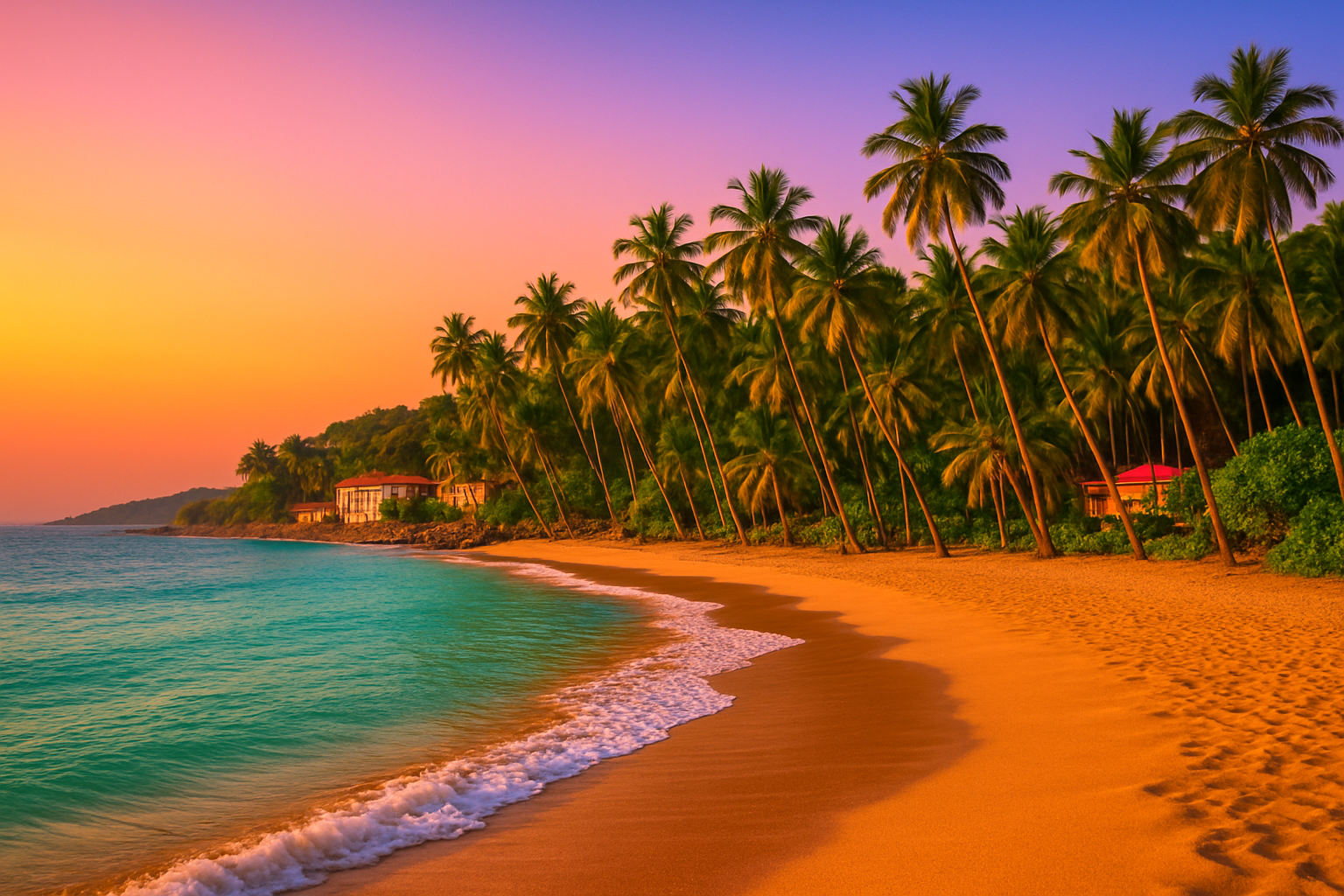
Ten kilometers south of the center, Mount Lavinia is Colombo’s go-to sandy escape. The beach curves in a golden crescent, dotted with laid-back eateries where tables sink into the sand and fairy lights flicker after dusk.
You can get here by taxi or hop the coastal train from Colombo Fort, which rattles past small stations and sea views that press right up to the rails. Step off at Mount Lavinia station and follow the lanes to the shore.
Swim with care; currents vary, and lifeguards aren’t always present. Many visitors are content to stroll, sip lime soda in the shade, and tuck into grilled seafood as the sun goes down.
Did you know? The colonial-era Mount Lavinia Hotel crowns a rocky headland. Local lore tells of a British governor who fell in love with a dancer named Lovina. The story is tangled in romance and myth, but it adds a poetic echo to the place.
Best Food in Colombo: Street Food to Seafood
If Colombo had a soundtrack, it might be the metallic chop-chop of kottu roti on a hot griddle, the hiss of frying chilies, and the clink of teacups.
The city’s food scene runs from quick, messy street eats to refined seafood temples—and it’s all tied to the island’s bounty of spices and coconuts.
Breakfast: Hoppers, Sambols, and Tea
Start with hoppers (appa), bowl-shaped pancakes with crisped edges and a soft center. Order an egg hopper with the yolk still runny, then add lunu miris—a fiery onion-chili relish—and a spoon of creamy dhal. The textures and heat set the tone for the day.
Pair breakfast with Ceylon tea. Whether you prefer it strong and sweet with milk (“tea with milk”) or black and bright with a slice of jaggery, it’s more than a drink here; it’s a ritual.
Lunch: Rice and Curry, Lamprais, and Market Bites
Rice and curry is not one dish but a joyous assembly. Expect a mound of rice surrounded by a constellation of curries: perhaps a coconut-rich dhal, tempered greens with mustard seeds, beetroot tinted jewel-red, a fragrant fish ambul thiyal (sour curry), or a pumpkin curry lush with coconut milk. This is where you taste the island’s variety.
For a colonial-era culinary echo, seek out lamprais—a Dutch Burgher contribution. It’s a gently spiced mixed rice with meat (often a trio of curries), blachan (shrimp paste) and seeni sambol, wrapped in a banana leaf and baked so the aromas mingle. Unwrapping it is half the pleasure.
If you’re near Pettah, snack your way through: savory samosas still warm from the fryer, vadai crowned with crisp prawns, and syrupy sweets shimmering under glass.
Dinner: Kottu Theatre and Seafood Royalty
By evening, follow the percussion to a roadside kottu stall. Kottu roti means chopped flatbread stir-fried with egg, vegetables, and your choice of meat or cheese, all minced and mixed on a hotplate with two heavy metal blades. It’s dinner and a show.
Seafood is Colombo’s other calling card. The city’s crab has won global accolades, and eating it here feels almost ceremonial: crack shells, scoop spicy gravy, lick fingers. If you plan to splurge, make a reservation at a renowned crab restaurant well in advance. For something humble, a seaside shack at Mount Lavinia doing grilled fish and prawns with lime and chili hits the spot.
Local tip: Spice levels vary widely. If you’re spice-cautious, say “mild, please”; if you love heat, ask for “spicy.” And always watch your belongings when you’re engrossed in a sidewalk feast.
Here are a few must-try bites to anchor your list:
- Kottu roti: clang, chop, sizzle, bliss.
- Hoppers and egg hoppers: crisp, lacy, perfect with sambols.
- String hoppers: delicate rice flour noodles, ideal with coconut milk kiri hodi.
- Rice and curry: an entire palette on one plate.
- Lamprais: foil-wrapped history in a banana leaf.
- Isso vade: beachside prawn fritters with a tangy kick.
- Short eats: samosas, fish buns, and cutlets for quick hunger pangs.
One Perfect Day in Colombo: History, Sand, and Spice
Short on time? Here’s a flexible Colombo itinerary that lets you taste the city’s essence without sprinting.
Morning
- Start in the Fort. Wander the Old Dutch Hospital and nearby colonial buildings, snapping details while the streets are quiet.
- Tuk-tuk to the National Museum in Cinnamon Gardens (about 10–15 minutes off-peak; allow 25–35 minutes in rush hour).
- Coffee or tea break in a shaded cafe. Gather energy for the afternoon.
Afternoon
- Hop a train or ride-share to Mount Lavinia Beach. The coastal train takes about 20–25 minutes; it’s scenic and inexpensive.
- Have a late lunch with your toes in the sand—grilled seafood or a heaping plate of rice and curry.
- Stroll the shoreline, dip your feet, and let the sea breeze reset your pace.
Evening
- Return to Galle Face Green. Join the sunset ritual. Try isso vade, watch kites pull at invisible strings, and listen to the ocean tumble toward night.
- Cap the evening with kottu roti or a seafood splurge, depending on your mood and appetite.
Insider thought: A local guide once told me, “Colombo’s colonial buildings tell amazing stories, and nothing beats ending a history tour with spicy street food by the beach.” Do the day in that order and you’ll feel it too.
Practical Tips for a Smooth Colombo Visit
Colombo rewards spontaneity, but a few smart moves make it even better.
Getting Around
- Tuk-tuks are abundant. If the vehicle has a meter, ask to use it; otherwise agree on a fare before you start. Ride-hailing apps like PickMe and Uber operate in the city and can simplify pricing.
- Typical times: Fort to National Museum is ~10–15 minutes off-peak by tuk-tuk. Galle Face to Mount Lavinia is ~20–25 minutes by train, or ~30–50 minutes by car depending on traffic.
- Traffic can be heavy during rush hours (roughly 7–9 am and 4–7 pm). Build in buffer time, especially if you have dinner reservations or an evening train.
- For Mount Lavinia, consider the coastal train from Colombo Fort. It’s scenic and inexpensive. Sit on the ocean side for the best views.
Safety, Etiquette, and Comfort
- Colombo is generally welcoming and safe, but keep valuables close in crowded markets and be mindful when crossing busy roads.
- Dress modestly when visiting religious sites: shoulders and knees covered; remove shoes and hats. Photography policies vary, so look for signs or ask.
- At markets, polite bargaining is normal for souvenirs and textiles. A smile goes a long way.
- Hydrate often. The tropical sun can surprise you even on cloudy days. Carry sunscreen and a light scarf or hat.
Money and Costs
- Cash is useful for tuk-tuks, small shops, and street food. ATMs are common in malls and near banks.
- Rough costs (guide prices): street snacks like isso vade or samosas ~LKR 200–500; a plate of kottu ~LKR 800–1,500; mid-range meals ~LKR 1,500–3,000 per person; crab splurges can run higher. Train tickets to Mount Lavinia are typically ~LKR 50–100.
Timing Your Visit
- Colombo is a year-round city. The west coast’s drier months tend to be November to April, making sunsets particularly clear. Rain brings its own beauty—lush parks, moody seas—but pack a compact umbrella.
- Check opening hours for museums and historical sites; they may vary by season and on public holidays.
Food Hygiene and Dietary Needs
- Choose busy stalls with high turnover for street eats. Watch food being cooked to order and served piping hot.
- If you have dietary restrictions, learn a few local phrases or show them written down. Many eateries understand “vegetarian” and “no spicy,” but clarity helps.
Quick Answers to Common Questions
Is Colombo worth visiting?
Absolutely. It’s the island in miniature: history you can touch, an ocean you can hear, and flavors you won’t forget. Many travelers who expect to “just pass through” find Colombo becomes a highlight once they give it a day.
Can you swim at Colombo’s beaches?
Galle Face is for walks and sunsets, not swimming. Mount Lavinia is the city’s best option for a proper beach day, but always assess conditions and stay close to shore. For calmer coves, plan a side trip down the southwest coast.
How many days should I spend in Colombo?
One full day delivers a satisfying snapshot—colonial heritage in the morning, beach in the afternoon, street food at sunset. Two days let you add museums, a food tour, or deeper neighborhood wandering.
Is street food safe?
Yes, with basic precautions. Pick popular stalls, eat what’s cooked fresh in front of you, and avoid anything that’s been sitting. Carry hand sanitizer and bottled water.
What’s unique about Colombo’s colonial heritage?
The density and variety. Within a small radius you can see Portuguese-era remnants, Dutch churches, British civic buildings, and how these coexist with mosques, temples, and modern towers. It’s a living conversation between eras.
The Feel of the City: Old Meets New
Part of Colombo’s appeal is the contrast. You might step out of a museum that glows with British-era plasterwork and find a contemporary art gallery next door. You could sit on a Fort bench under a Portuguese-era cannon, then glance up at a glass high-rise catching the evening light. It’s these juxtapositions that keep your days interesting.
You’ll also meet Colombo’s everyday rituals. Morning joggers around Independence Memorial Hall, schoolkids giggling over ice cream at Galle Face, office workers on a quick hoppers break—these are the threads that stitch your sightseeing into the city’s fabric.
Thought to carry with you: See Colombo not as a checklist, but as three rhythms to weave together—heritage in the morning light, sea breeze in the afternoon, and spice at night.
Final Thoughts: Plan Less, Savor More
Colombo gives generously when you slow down. Pick a few heritage sites instead of rushing. Choose one beach moment and let the sky change color without checking your phone. Order that crab and roll up your sleeves. The city’s rewards are sensory, social, and steeped in stories.
By the time you leave, you’ll have your own Colombo anecdotes—maybe it’s the Red Mosque’s stripes catching the sun, a banana leaf parcel of lamprais that perfumed your hands, or a kite that suddenly lifted and pulled you toward the ocean. However your day unfolds, Colombo will have done what it does best: blend the old and the new into something warmly, distinctly itself.