Why 2025 Is the Year to Travel Cheap: 10 Best Trips
Why 2025 Is the Year to Travel Cheap
If you’ve been watching flight prices yo-yo and wondering whether a big trip is still possible, here’s the good news: 2025 is quietly shaping up to be a budget traveler’s sweet spot. Exchange rates in several regions favor foreign visitors, new and revived low-cost flight routes are back on the map, and the classic backpacker circuits remain wonderfully affordable once you touch down. In other words, you can still collect jaw-dropping memories without hemorrhaging cash.
This guide goes beyond a simple list. For each destination, you’ll find practical ways to cut costs on transport, stays, food, and activities—without skipping the highlights that drew you there in the first place. Consider these countries your launchpad for a year of smart, soulful, budget-friendly travel.
The budget traveler’s edge in 2025: pick price-friendly countries, time your trip well, and use local options. The rest is momentum.
How to Use This Guide
- Start with the country that excites you most; you don’t need to do everything or everywhere at once.
- Under each destination, you’ll see actionable tactics to save on getting around, sleeping, eating, and doing the good stuff.
- Prices are approximate and can shift. Think in ranges, not absolutes. What won’t change is how far your money goes in these places compared to pricier regions.
Quick Picks (Quick SummaryTL;DR)
- Best for beaches: Thailand, Albania, Turkey (Turquoise Coast)
- Best for trekking: Nepal, Georgia, India (Himalayan states)
- Best for ancient culture: Egypt, India, Cambodia
- Best for food lovers: Vietnam, Thailand, Turkey, Georgia
- Best for remote-work value: Georgia, Thailand, Vietnam
- Best for beaches: Thailand, Albania, Turkey (Turquoise Coast)
- Best for trekking: Nepal, Georgia, India (Himalayan states)
- Best for ancient culture: Egypt, India, Cambodia
- Best for food lovers: Vietnam, Thailand, Turkey, Georgia
- Best for remote-work value: Georgia, Thailand, Vietnam
These are the cheapest countries to visit in 2025 if you want big experiences on a small budget. Use the sections below to plan your route and keep your daily spend low.
The Cheapest Countries to Visit in 2025
1) Vietnam
Vietnam is a high-value classic: cinematic landscapes, some of the world’s best street food, and reliable backpacker infrastructure. Your daily budget stretches beautifully here, from the misty north to the tropical south.
Transport: For long hops, budget airlines like VietJet connect major cities—often under $50 if you book ahead. Overnight trains and buses are a sweet spot: a sleeper from Hanoi to Da Nang can be found for the price of a couple of restaurant meals and doubles as your night’s lodging. In towns and cities, public buses are very cheap, and renting a scooter often runs $5–10/day in places like Da Nang, Phong Nha, or the Mekong Delta. If you ride, wear a helmet and check licensing: many travelers need an International Driving Permit plus a valid motorcycle endorsement, and insurance may be void without them.
Pro tip: “Open bus” hop-on, hop-off tickets still exist, but service quality varies. Compare trains and reputable bus operators via platforms like 12Go or Bookaway, and read recent reviews for reliability and safety.
Stays: Hostels and guesthouses abound. Expect $5–8 for a dorm bed and $15–20 for a decent private room even in hotspots like Hanoi’s Old Quarter. For culture on a budget, homestays in Sapa or the Mekong Delta can include home-cooked meals and conversation for less than you’d pay for a standard hotel.
Food: Street food is the main event and your biggest savings. A banh mi around $1, a bowl of pho for $1.50–$2.50, a plate of com tam under $2. Even sit-down restaurants rarely push you much beyond $5 for a solid feast. In Hanoi, the legendary bia hoi (fresh draft beer) is commonly about $0.40–$0.60 a glass.
Activities: Many highlights are free or nearly so. Wander Hoan Kiem Lake, temple-hop in Hanoi and Ho Chi Minh City, or self-drive a scenic loop in Ha Giang for the price of fuel and a bike rental. Museum entries tend to be a few dollars (the War Remnants Museum in Saigon is excellent value). If you crave a splurge, join a local group tour for Ha Long Bay—day trips can be surprisingly affordable when booked in-country.
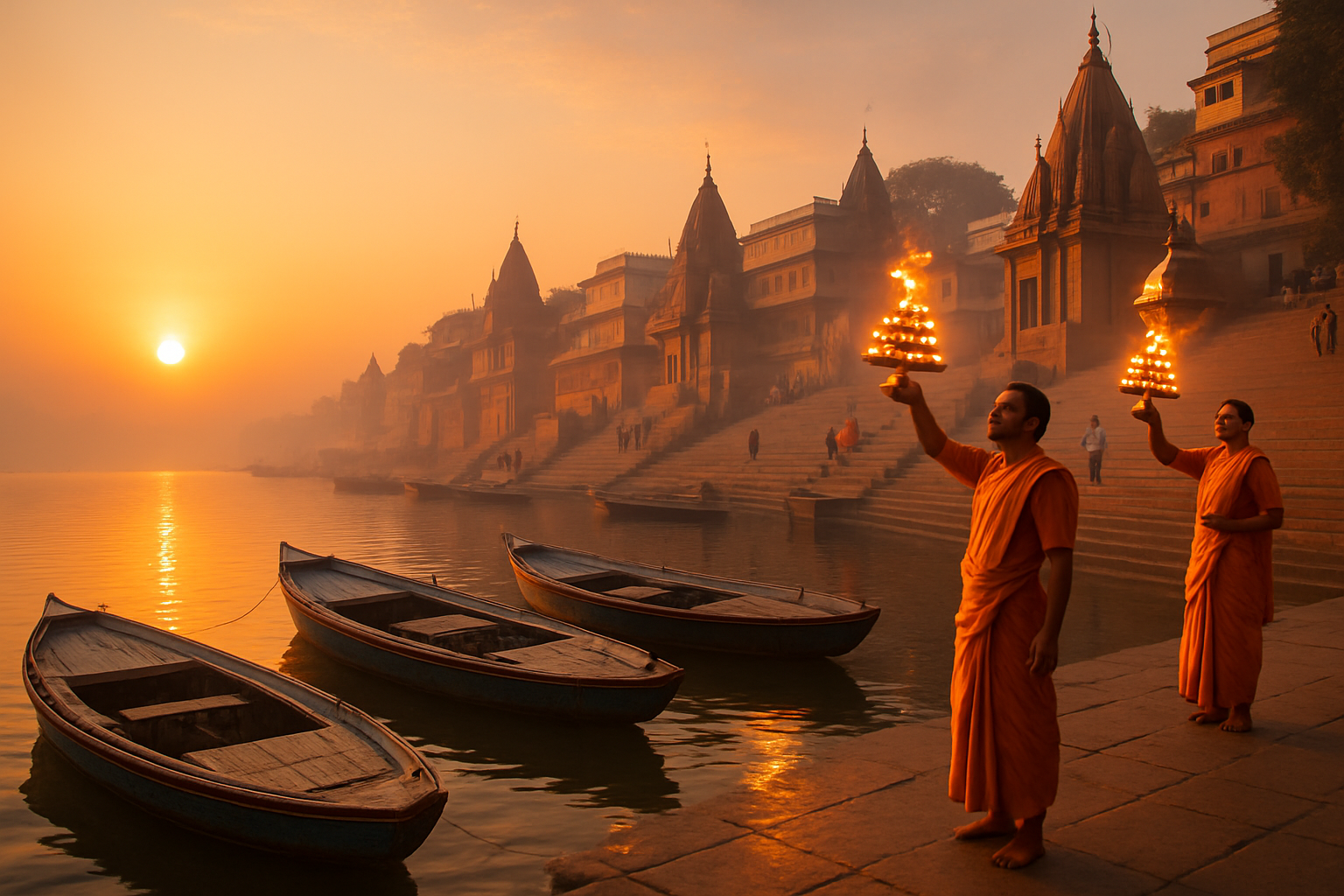
2) India
India remains one of the planet’s most budget-friendly—and culturally rich—experiences. It’s a sensory kaleidoscope where your daily spend can stay modest without skimping on the magic.
Transport: The rail network is your thrifty backbone. Overnight sleeper trains turn long distances into rest time and savings; even long sections can cost the equivalent of a few dollars in common classes if booked early. Domestic flights are plentiful and cheap on sale. In cities, metros (Delhi, Mumbai) are clean and incredibly cheap, and ride-hailing apps like Uber and Ola keep rickshaw haggling to a minimum.
Stays: Dorm beds often run $5–10, with private rooms from $10–20 in guesthouses or small hotels—more in Mumbai or Goa high season, less in second-tier cities. For something special, consider an ashram or dharamshala stay in pilgrimage towns—a humble, often donation-based cultural window.
Food: Eating local is both a joy and a bargain. A filling vegetarian thali for $1–$3, street-side masala chai for loose change, samosas for well under $1. If you’re new to street food, pick busy stalls serving hot, fresh dishes. Even mid-range restaurants seldom top $5–$8 per person for an ample spread.
Activities: Temples, markets, ghats, and festivals are largely free. Big monuments are still reasonable by global standards; set aside a bit for icons like the Taj Mahal, and consider hiring a local guide on-site for context at a sensible price. In the Himalayas, trekking is a highlight. Most treks in India don’t mandate guides except in restricted/permit zones (for example, parts of Sikkim or Ladakh). A local guide can still add safety and cultural context while fitting a backpacker budget.
Pro tip: Use apps like IRCTC (with a local SIM) or book at train stations early for the best rail fares. Overnight trains are a budget traveler’s rite of passage here.
3) Thailand
Thailand’s superpower is consistent value paired with world-class variety: beaches, jungles, temples, and food that spoils you for life.
Transport: Buses and trains cover the country for cheap—Bangkok to Chiang Mai sleepers are better value than a hotel, and domestic flight sales on AirAsia or Nok Air frequently dip to $30–$50. In cities, use Grab to avoid taxi games. Ferries between islands are reasonable; combining them with bus tickets can save even more. As with Vietnam, riding scooters requires proper licensing/insurance; if you’re inexperienced, stick to public transport or ride-hailing.
Stays: Hostels and guesthouses remain a steal, especially up north. Expect $6–12 for a dorm, $15–25 for basic private rooms. Many hostels are well-designed, with capsule beds and pools without luxury pricing. Long-stayers flock to Chiang Mai for monthly apartment deals that feel unbelievable if you’re coming from a high-cost country.
Food: Street food is your budget-and-flavor playground. Pad Thai or basil chicken with rice for $1–$2, mango sticky rice for a couple of bucks, a cold Chang beer from a shop for less than a coffee back home. Night markets are a daily festival—arrive hungry.
Activities: Temple visits are mostly free or a small donation; the Grand Palace is the big-ticket exception but worth budgeting. Beaches are free; national parks are modestly priced. You can learn to cook Thai food for less than a fancy dinner elsewhere, or join group island-hopping tours in Krabi or Phuket for good value when split among several travelers.
Pro tip: 7‑Eleven is a budget traveler’s best friend for snacks, SIM cards, and microwave meals when you’re spent after a long bus. Not every meal needs to be an “experience” to save you money for the ones that are.
4) Cambodia
Cambodia is as easy on the wallet as it is deep in history. Outside of one big splurge (Angkor), the country is astonishingly cheap.
Transport: Intercity buses are low-cost lifelines (Phnom Penh–Siem Reap is affordable on both local and “tourist” buses). Tuk-tuks rule the cities; where available, use ride-hailing apps to get fair rates. In Siem Reap, consider renting a bicycle to explore beyond the standard Angkor circuits. If you rent scooters, follow the same licensing and insurance rules as in Thailand/Vietnam and always wear a helmet.
Stays: It doesn’t get much cheaper than Cambodia for accommodation. Dorms can be $4–6; simple private rooms often $10–15. Many Siem Reap hostels include pools and breakfast in that price.
Food: Khmer cuisine flies under the radar and rewards you for eating local. Bowls of noodles or rice dishes at market stalls often cost $1–$2, and a sit-down local restaurant might be $3–$5. In touristy zones, happy-hour beer is commonly $0.50–$1. Stick with local dishes like amok, bai sach chrouk, and noodle soups for both taste and savings.
Activities: Angkor is the outlier: budget for a pass and make the most of it. One smart hack is to buy a one-day ticket late afternoon; you’re often allowed to visit that evening for sunset and return the next day at dawn, getting two golden hours for one ticket. Policies can change—confirm current rules with Angkor Enterprise or the ticket office on arrival. Elsewhere, moving memorial sites like the Killing Fields and Tuol Sleng have modest entry fees that include excellent audio guides. Markets, riverside strolls, and countryside day trips are essentially free.
Pro tip: Team up with other travelers to share tuk-tuk costs at Angkor. Beyond saving money, you’ll have sunrise buddies.
5) Nepal
Nepal delivers outsized adventure for pocket-sized budgets—temples, stupas, and the world’s highest peaks within reach.
Transport: Overland buses between Kathmandu and Pokhara are ultra-cheap (tourist buses are a tad pricier but more comfortable). Shared jeeps help you reach trailheads without hiring private cars. Domestic flights to trekking gateways are splurge territory—great for saving time, not money.
Stays: In Kathmandu and Pokhara, dorms can be as low as $3–6 with private rooms under $15. On treks, teahouses are wonderfully affordable; many expect you to eat where you sleep, which keeps rates low and community links strong.
Food: Dal bhat is the budget traveler’s superpower—hearty, nutritious, and often with free refills for $2–$3 in local eateries. Momos and thukpa keep you warm and full for a dollar or two. Western fare in tourist zones costs more, so treat it as an occasional comfort.
Activities: Trekking is the headline. Since 2023, many popular routes require you to hire a licensed guide through a local agency; the fix is simple and budget-friendly: join a group trek or hire a local guide for a low daily rate. Permits for popular regions remain reasonable. In the cities, temple visits are either free or a few dollars, and watching festivals and processions costs nothing.
Pro tip: Carry a reusable bottle and purify water where refill stations exist—saves money and cuts plastic on the trails.
6) Georgia
Georgia is where mountain drama meets wine-fueled hospitality—at prices that feel like a secret. Compact distances keep transport costs low and spontaneity high.
Transport: Marshrutkas (minibuses) reach almost every corner for just a few dollars. Trains are cheap and scenic, including sleepers to the west. In Tbilisi, metro rides are a bargain; Bolt keeps taxis budget-friendly and transparent.
Stays: Hostels in Tbilisi and Batumi typically fall around $8–12 for dorms; family guesthouses in wine country or the mountains often include breakfast (and sometimes dinner) at a price that feels like a typo. Apartment rentals are excellent value if you’re splitting costs.
Food: Georgian food is hearty, comforting, and cheap. Khinkali and khachapuri can fill you up for a few dollars; markets brim with fresh fruit and churchkhela (walnut-and-grape must “candles”). Wine tasting is surprisingly affordable in Kakheti—quality without the sticker shock.
Activities: Many historical sites and museums are free or just a few dollars. Hike in Svaneti’s UNESCO-listed villages without paying entry fees. In Tbilisi, the Narikala Fortress views cost nothing if you hike; the scenic cable car is a small fare.
Pro tip: Georgia is increasingly popular with remote workers. If you’re slow traveling, monthly rates on apartments can undercut your rent back home—while you spend weekends in the Caucasus.
7) Turkey
Straddling continents with a treasure trove of history and coastline, Turkey offers a premium-feeling trip at prices that surprise most first-timers.
Transport: Intercity buses are comfortable and well-priced, often including snacks and Wi‑Fi. Domestic budget airlines like Pegasus help you cover long distances fast for modest fares (Istanbul–Cappadocia or Izmir is frequently a deal). In Istanbul, public transit (metro, tram, ferries) is a bargain with a transit card.
Stays: Currency shifts over recent years have made even mid-range stays affordable to visitors. Dorms can run $8–15; charming pensions and guesthouses $20–30 with breakfast included. You can even sleep in a Cappadocia cave hostel without wrecking your budget.
Food: Street and market food is a banquet for a few dollars: simit for breakfast, a döner or kumpir for lunch, meze and kebabs at dinner. Tea is ubiquitous and cheap; Turkish coffee typically runs $1–$2.
Activities: Many iconic sites remain modestly priced. As of 2024–2025, Hagia Sophia’s prayer area remains free for worshippers, while tourists generally use a timed, paid visitor route for the upper galleries/visitor experience—check current details before you go. The Blue Mosque remains free to enter as a place of worship; note the dress code and closures during prayer times. Other museums (Topkapı, Ephesus) charge reasonable fees. A Cappadocia balloon ride is a big splurge (think triple digits), but hiking the valleys at sunrise to watch the balloons lift is completely free and simply unforgettable.
Pro tip: Consider a regional museum pass if you’ll visit multiple paid sites. And always check local operators for day tours—you’ll often get better prices than online.
8) Bolivia
Andean drama without the price tag: Bolivia’s landscapes are surreal, its cities textured and lively, and it’s one of South America’s best-value bets.
Transport: Long-distance buses are cheap and common; upgrade to cama seats for comfortable overnighters at still-low prices. Within cities, minibuses and shared taxis have very low fares.
Stays: Dorm beds often sit in the $5–8 range; basic private rooms $10–20. Amenities are simpler than in some regions, but the value is hard to beat.
Food: Markets are your budget goldmine. “Almuerzos” (set lunches) include soup and a main for $1.50–$3. Street snacks like salteñas and tucumanas are delicious and inexpensive.
Activities: Some headliners require tours—Uyuni Salt Flats and the Amazon pampas—but they deliver tremendous value per day, typically including most essentials. In La Paz, tip-based walking tours are an excellent intro. Day hikes in the Cordillera Real are free if you go self-guided, and city museums often cost just a dollar or two.
Pro tip: Shop around locally in Uyuni for a 3‑day salt flats tour. It’s common to compare agencies in person and join a group that fits your budget and vibe.
9) Egypt
Ancient wonders, Red Sea reefs, Nile-side temples—Egypt packs heavy-hitting highlights into a surprisingly low daily spend.
Transport: Overnight trains and long-distance buses are cheap routes between Cairo, Luxor, Aswan, and the coasts. In Cairo, the metro and ride-hailing apps like Uber or Careem keep city costs low.
Stays: Dorms in Cairo or Luxor can be $5–8; simple guesthouses with rooftop views near the pyramids may be $25–30. On the Sinai coast, Dahab’s laid-back beachfront accommodations are legendary for budget value.
Food: Egyptian staples are very affordable. Koshary bowls are often $1–$2, ful and ta’ameya (falafel) sandwiches commonly under $1, with shawarma and grilled meats a couple of dollars more. Fresh juices and tea are everywhere and cheap.
Activities: Big-name sites are still reasonable by global standards, and students with an ISIC often get discounts (sometimes 50%). Explore the Egyptian Museum, the temples of Luxor and Karnak, the Valley of the Kings, and of course the Giza plateau—save on add-ons by booking guides locally. The public Nile ferry in Cairo costs a tiny fare and delivers prime skyline views. In Dahab, snorkeling from shore is basically free; intro dives and courses are among the cheapest in the world.
Pro tip: Skip overpriced camel rides hawked at the pyramids gate. If a camel trek is on your list, arrange one through your guesthouse for a better route and rate.
10) Albania
The Mediterranean without the Mediterranean prices. Albania’s coast, mountains, and Ottoman old towns are still under‑the‑radar gems.
Transport: Shared minibuses (furgons) connect towns frequently and cheaply. Taxis are affordable for short hops when split among friends.
Stays: Family-run guesthouses (bujtina) are the sweet spot—warm hospitality, home-cooked breakfasts, and rates that rival hostel dorms elsewhere in Europe. Coastal rooms cost more in peak summer; visit shoulder season for the best deals.
Food: Albanian byrek, grilled meats, and seafood are easy on the wallet. Step a block off the waterfront promenades and watch prices drop while flavors stay high.
Activities: Beaches are free, hikes in the Accursed Mountains cost nothing but effort, and UNESCO sites like Butrint have low entry fees compared to Western Europe.
Pro tip: The Albanian Riviera shines in late spring and early fall—swimmable seas, open businesses, and prices that haven’t hit peak.
Smart Budget Moves Anywhere
A few global habits multiply your savings no matter where you go.
- Travel off-peak or shoulder season: Accommodation, tours, and even flights drop noticeably. You’ll also get easier upgrades and fewer crowds.
- Use tech to win at flights and stays: Set price alerts on Google Flights or Skyscanner, search “cheapest month,” and pounce on sales. For beds, filter by price and rating on Hostelworld, Booking, or Agoda, then message properties directly to see if they’ll match or beat the rate.
- Be currency smart: Bring a no-foreign-fee debit/credit card. Withdraw larger amounts less frequently to reduce ATM fees. In countries with complex exchange dynamics, research the best practices before you go.
- Eat where the line is: Busy stalls mean fresh turnover. Choose sizzling, cooked-to-order dishes, and watch how the vendor handles food. When in doubt, go with the spot packed with locals.
- Mix dorms and privates: Solo travelers can save by rotating dorm nights with occasional private rooms. Pairs often find that splitting a private costs about the same as two dorm beds.
- Ride overnight: Trains and buses that arrive at dawn double as lodging. Book sleeper options for comfort and keep your day free for exploring.
- Share costs: Team up with hostel mates for taxis to trailheads, group tours, and boat trips. Most “too expensive” experiences become reasonable when split four ways.
- Bargain with a smile: In many markets, polite haggling is expected. Know your walk-away price. Learn a couple of phrases in the local language; goodwill gets you far.
- Get insured: This is one place not to economize. A small premium can save you thousands if you need medical care or have a major delay.
- Respect the place: Dress and behave appropriately, especially in religious or rural areas. When you’re a thoughtful guest, locals often go out of their way to help—and those moments end up as the highlight of your trip.
Slow down. The longer you stay in one region, the less you spend per day. It’s budget-friendly and a better way to really know a place.
What to Expect to Spend Per Day
Exact numbers vary, but here’s a realistic snapshot for shoestring to comfortable backpacker budgets in these cheap travel destinations:
- Vietnam, Cambodia, Nepal, Bolivia: $25–$40 per day if you’re careful; $40–$60 for a bit more comfort.
- India, Georgia, Turkey, Egypt, Albania: $30–$50 per day on a backpacker budget; $50–$70 for comfortable private rooms and more frequent splurges.
Remember, the flight is often your biggest single cost. Once in-country, costs plummet compared to North America or Western Europe. That’s why a smartly chosen “cheap country” can turn a one‑week vacation budget into a three‑week adventure.
A Quick Word on Safety and Comfort
Budget travel doesn’t have to mean taking unnecessary risks. Opt for reputable yet inexpensive operators, trust your instincts, and read recent reviews. Simple habits—like keeping valuables in a daypack, using lockers, taking registered transport, and following local driving laws if you rent scooters—go a long way. As for comfort, spend where it matters to you: maybe a better overnight bus seat, a room with AC in a scorching city, or a guide for that complex hike. “Smart splurges” keep your trip joyful without blowing the budget.
Final Thoughts: Your 2025 Budget Adventure Starts Now
The cheapest countries to visit in 2025 are more than affordable—they’re rich, varied, and primed for unforgettable experiences. From steaming bowls of pho in Hanoi to sunrise over Cappadocia’s valleys, from Angkor’s stone faces to Georgian wine country, the world’s best moments don’t come with premium price tags. They come with curiosity, flexibility, and a few savvy tactics.
Pick a place that calls to you, set a daily budget, and go. For budget travel in 2025, these cheap travel destinations let you hit the highlights without overspending. Pack light, keep your plans loose, and let the journey do what it always does: surprise you in the best possible ways.