2-Week Bali Itinerary: Ubud to Uluwatu, Day by Day
Two weeks is enough to see Bali without rushing if you move in a loop and change base only five times: Ubud (3 nights), the northern highlands (2), the east coast (2), Nusa Penida (2), Canggu (2) and the Bukit peninsula around Uluwatu (3). Start inland, where it's cooler and quieter, and finish by the beaches near the airport so the last transfer is short.
One thing to sort before you fly: foreign visitors pay a tourist levy of IDR 150,000 per person for each entry, paid online through the provincial government's Love Bali portal. Use that site, not a look-alike.
| Days | Base | What it's for |
|---|---|---|
| 1–3 | Ubud | Temples, rice terraces, walking |
| 4–5 | Munduk or Bedugul | Lakes, waterfalls, cool air |
| 6–7 | Sidemen or Amed | Water palaces, volcano views, snorkelling |
| 8–9 | Nusa Penida | Cliffs and coves |
| 10–11 | Canggu | Surf, cafés, Tanah Lot |
| 12–14 | Uluwatu and Jimbaran | Beaches, the clifftop temple, Kecak |
Days 1–3: Ubud
The drive from the airport to Ubud takes one to two hours depending on traffic. Spend the first afternoon on foot in the centre, because Ubud's core is walkable and most of what you'll want on day one sits within a kilometre.
A first walk in Ubud. Start at Ubud Palace (Puri Saren) on the main road, where evening dance performances are held in the courtyard. Walk a few minutes west to Pura Taman Saraswati, the temple behind the lotus pond, then back east past the Ubud Art Market. Turn down Monkey Forest Road and follow it south, past the shops and cafés, to the Sacred Monkey Forest Sanctuary at the bottom. Keep sunglasses and anything loose in your bag; the macaques grab them.
The Campuhan Ridge Walk is the walk to save for early morning or late afternoon. The path starts by the small Pura Gunung Lebah temple below Jalan Raya Campuhan, where two rivers meet, and climbs onto a grassy ridge with valley views on both sides. It's free and takes an hour or two there and back.
On day two, go early to the Tegallalang rice terraces before the crowds, then on to Tirta Empul, the spring temple where Balinese come to bathe in the purification pools. Visitors may join if they follow the temple's guidance; bring a sarong and a change of clothes.
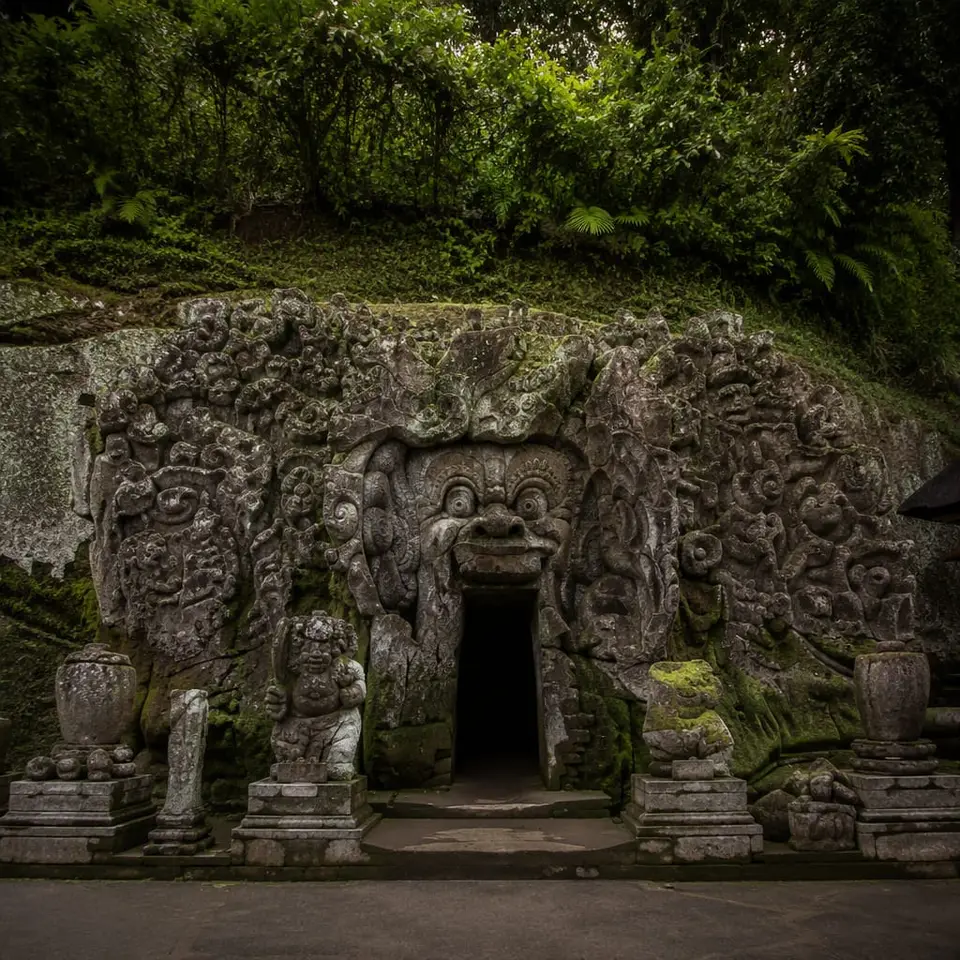
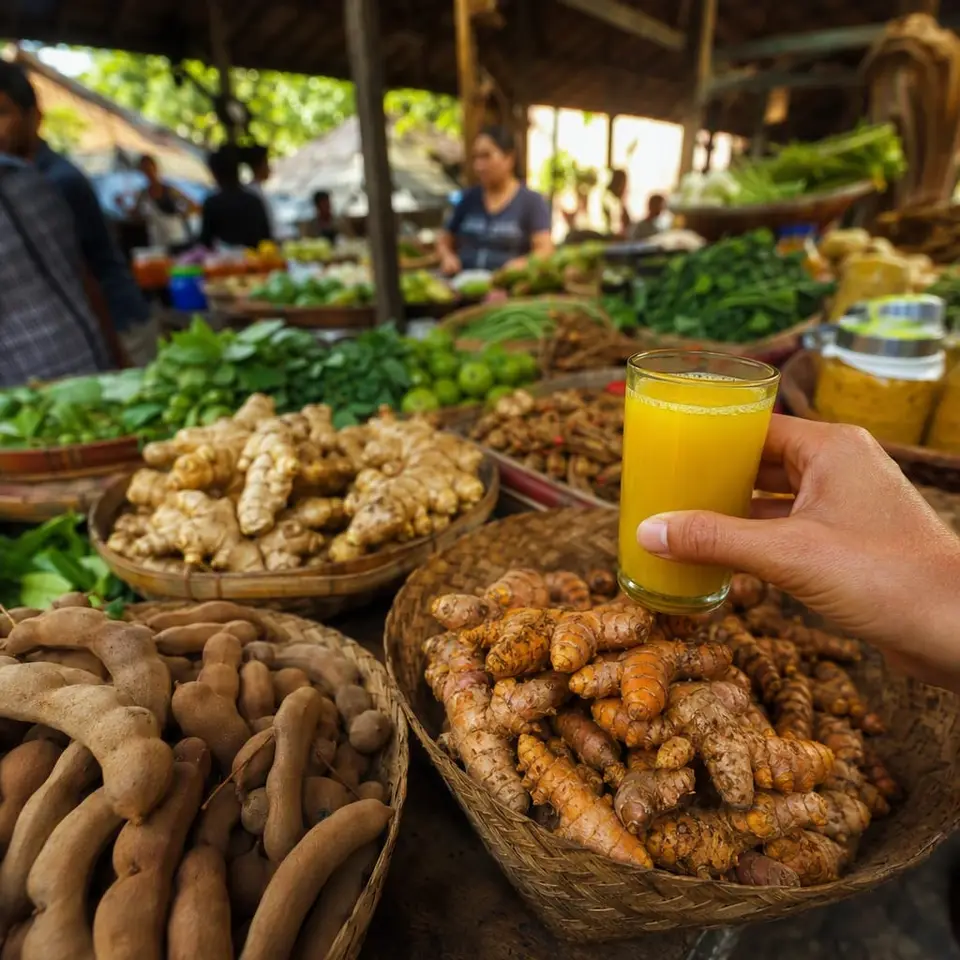
For a third day, the countryside east of Ubud has older sites that most visitors skip. Voyay's Stone Before Ubud: Bedulu Revealed is a 4.7 km walk from the Yeh Pulu relief carvings through Goa Gajah, the Elephant Cave, and its bathing pools to Pura Penataran Sasih. In town, Jamu and Breath Through Ubud follows the wellness scene of Pengosekan from the Ubud Yoga Centre through the local market to Dayu's Warung. Both, with the other Ubud walking tours, run in the Voyay iOS app with audio narration.
Days 4–5: The northern highlands
Drive north into the hills around Lake Beratan and stay in Munduk or Bedugul, where the air is noticeably cooler. On the way, stop at Jatiluwih, terraces still watered by the subak, Bali's centuries-old cooperative irrigation system; the subak landscape is part of a UNESCO World Heritage Site. Visit Pura Ulun Danu Beratan, the temple that appears to float on the lake, early in the morning when the water is still. Spend the second day on the waterfall trails around Munduk, where several falls are linked by footpaths through clove and coffee plantations.
Days 6–7: East Bali
Choose between two moods. Sidemen is a valley of rice fields and weaving villages with views of Mount Agung, good for long walks and doing very little. Amed is a string of fishing villages on the coast, with black-sand beaches and easy snorkelling from shore, including a small shipwreck at Banyuning.
From either base you can reach Tirta Gangga, the former royal water palace with stepping stones across its pools, and Pura Lempuyang, the temple whose gate frames Mount Agung. The photo queue at Lempuyang can be long; go at first light.
Days 8–9: Nusa Penida
Fast boats cross from Sanur in well under an hour, but sea conditions change, so allow slack on both ends. Nusa Penida is steep and its roads are rough, so hire a driver rather than a scooter unless you're experienced. The west coast has the famous viewpoints, Kelingking above its T-rex-shaped headland and Broken Beach; the east is quieter, with Diamond Beach and the Thousand Islands viewpoint. The paths down to the beaches are steep and loose. Turn back if conditions are bad.
If you'd rather a gentler island, Nusa Lembongan and its sister Ceningan, joined by a yellow footbridge, are smaller and easier to get around by bike.
Days 10–11: Canggu
Back on the mainland, Canggu is the place for a surf lesson on the beach breaks, cafés, and sunsets. Drive up the coast one evening to Tanah Lot, the sea temple on a rock that becomes an island at high tide; it is busiest at sunset, so go an hour or two early.
Days 12–14: Uluwatu and Jimbaran
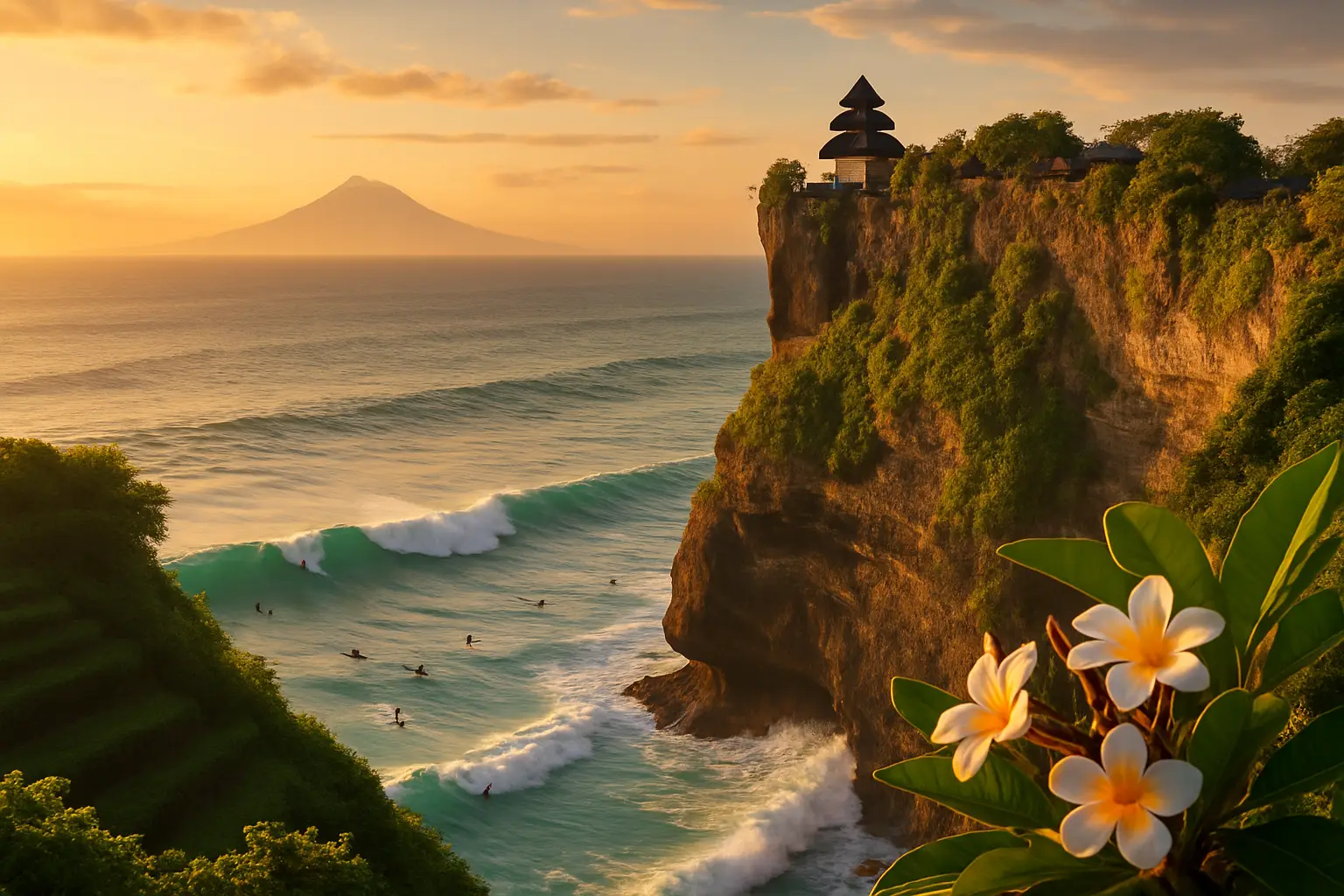
The Bukit peninsula in the south has the island's best beaches below limestone cliffs: Padang Padang, Bingin and Melasti among them, many reached by long staircases. Uluwatu Temple sits on the cliff edge at the tip of the peninsula, and the Kecak dance is performed there in the evening, with the first show timed for sunset. Seats sell out in high season; book ahead and arrive early. The temple's monkeys are bolder than Ubud's.
Finish with grilled seafood on the beach at Jimbaran Bay, about half an hour from the airport, and fly out the next day.
Getting around and when to go
Most travellers hire a car with a driver for transfer days and day trips; ride-hailing apps work in the main towns. Traffic, not distance, decides how long journeys take, so plan one big move per day.
The dry season, roughly April to October, is the easiest time to go. July and August are the busiest. The wet season brings afternoon downpours, greener landscapes and fewer people. Temples ask visitors to wear a sarong and sash, and many lend or rent them at the entrance.